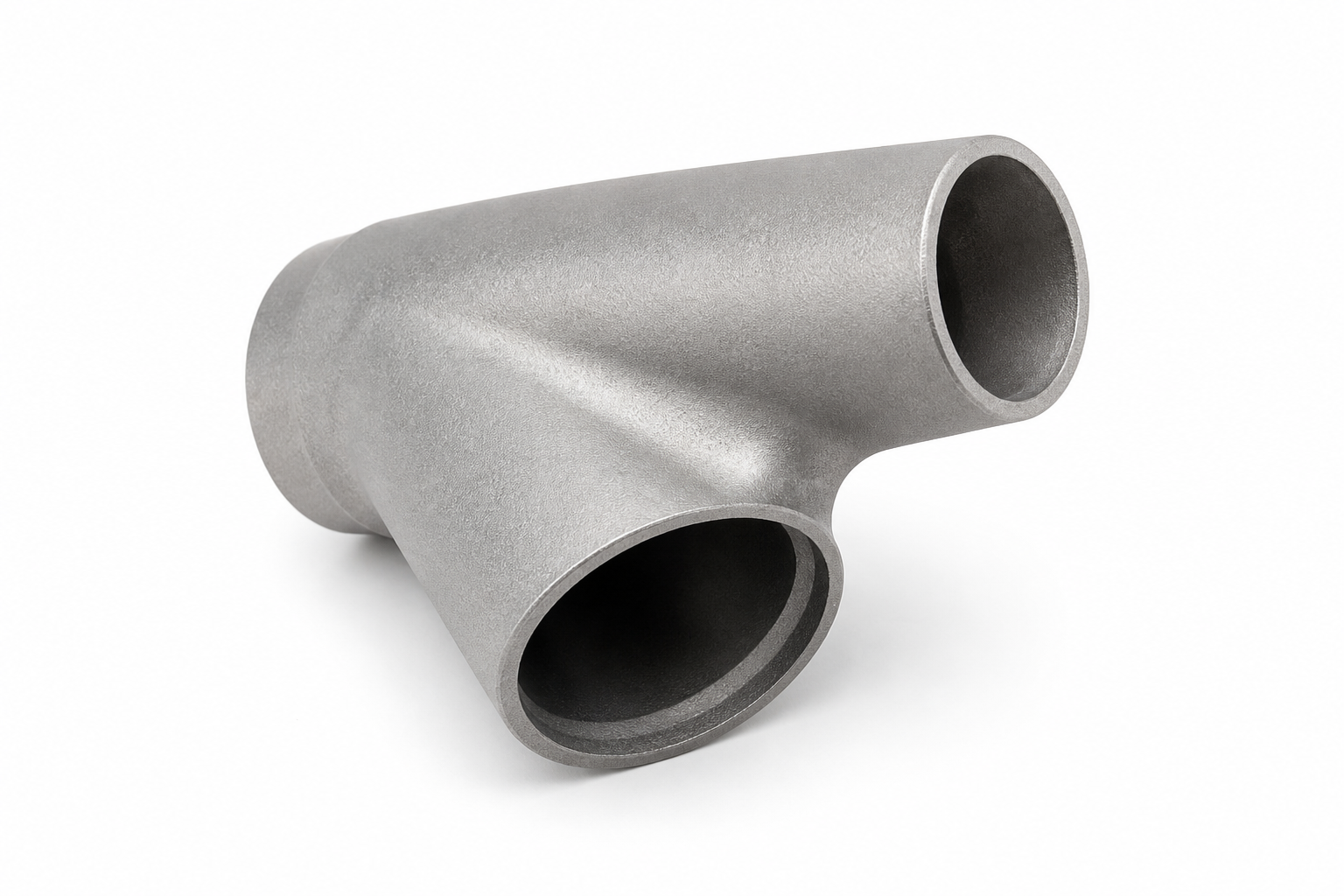
Before moving an established brass component to a stainless alternative, plan a focused assembly trial. The purpose is to observe how the proposed part works in your actual workflow and identify what still needs attention. It should answer defined questions rather than become an informal demonstration that everyone interprets differently.
The trial sits alongside the product's required material and performance checks. It can reveal handling, installation, and identification issues, but it does not replace the evidence your product team needs before release. Agree that boundary at the start.
Choose a clear question for the trial
Begin with the improvement you want. Perhaps the proposal combines fixed features, removes a repetitive joining step, or makes positioning easier. Write the expected change in plain language and identify the part of the assembly process where it should appear.
Then list what must remain acceptable: access for tools, fit with surrounding components, normal movement, appearance, and service access where relevant. Ask the people responsible for those requirements to define the appropriate observations and checks.
Metal Injection Molding (MIM) shapes a metal-powder mixture in a mold and processes it into metal. MIMA describes the range of features this route can support. The trial should evaluate the specific proposed improvement, not the process's general possibilities.
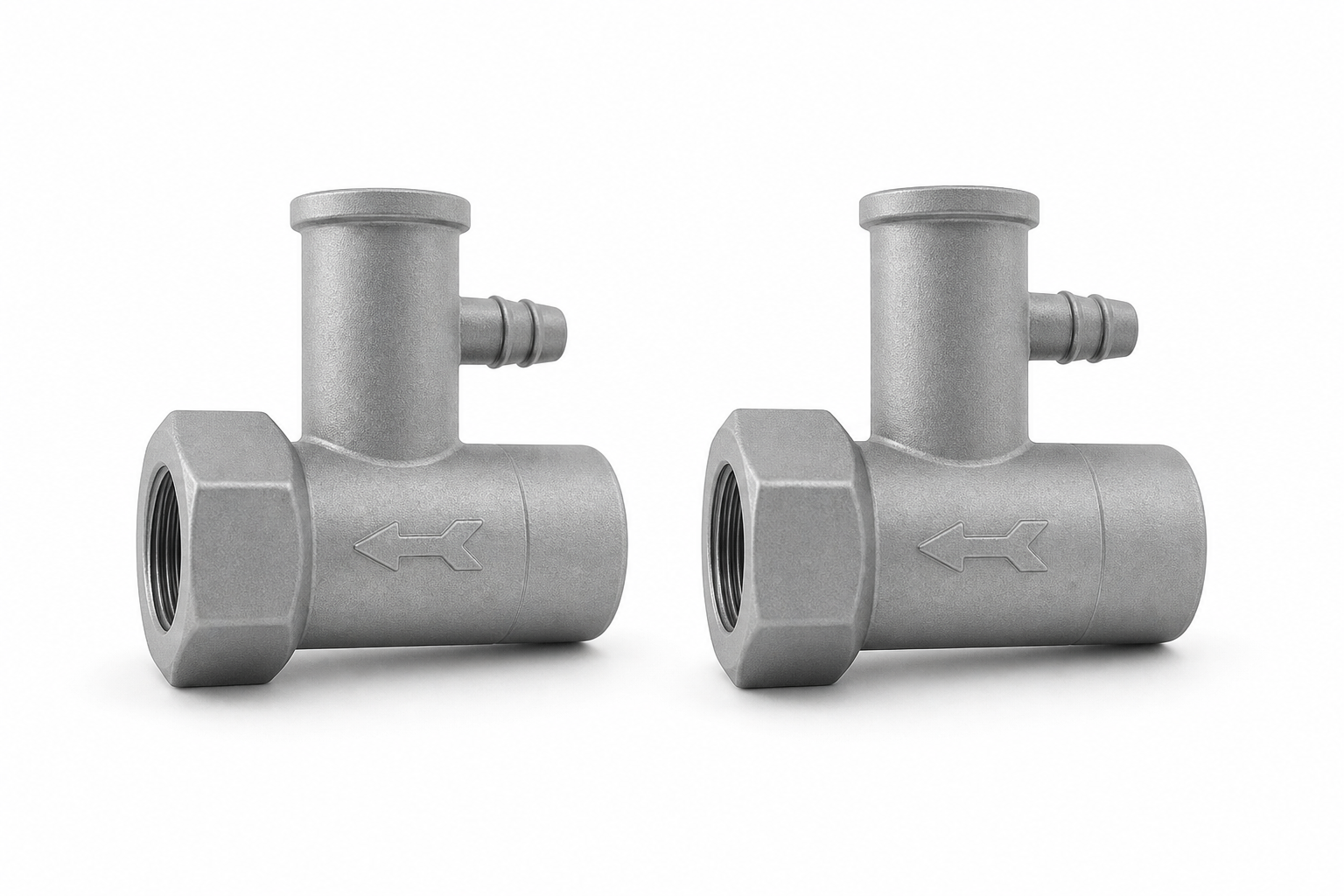
Make the comparison fair
Use the current approved brass part as the reference and identify the proposed stainless sample precisely. Record their versions and any known differences. If the stainless sample is an early prototype, state how it differs from the planned production component.
Choose representative surrounding parts and the normal assembly tools. Avoid making unexplained modifications to help the new component fit. If a temporary adjustment is necessary, record it and keep the relevant conclusion conditional.
Have the person observing the trial understand both the intended benefit and the open questions. A fair comparison should capture extra work as readily as removed work. It should not assume that the new route must win because development effort has already been spent.
Watch the complete sequence
Follow the part from its pack through installation and the applicable checks. Note how it is picked up, oriented, positioned, and secured. Observe whether an operator can distinguish it from the previous version and whether any step depends on an unusual workaround.
For a hypothetical integrated bracket, fewer loose pieces might simplify preparation while a larger combined shape makes installation awkward. Both observations belong in the result. The useful design may retain the integration but adjust the assembly sequence or surrounding access.
Our small-assembly integration guide explains how to identify the initial opportunity. A practical trial tests whether the expected benefit survives contact with the real workflow.
Record observations before estimating savings
List the steps added, removed, or changed. Where timing is useful, ask the team to use a consistent method and record the conditions. Do not turn one quick demonstration into a guaranteed saving across future production.
Distinguish measured observations from opinions and open questions. An operator's comment about awkward handling is valuable, but it may need a follow-up check to understand the cause. A simple log helps preserve those distinctions without losing practical feedback.
Include any work shifted elsewhere. If a supplier now performs an operation previously done in your factory, confirm whether it is included in the delivered price. Removed internal work is not necessarily a cost that disappears from the complete supply arrangement.
Check the sample's limits
Ask the supplier whether the trial parts represent the proposed material, route, and finish. BASF's MIM process description provides background on the production sequence. Evidence from a differently made prototype should be used only for the questions it can reasonably answer.
If the sample has a temporary finish or a feature made differently for the trial, keep that exception in the record. Your team should decide which observations remain useful and which must be repeated with representative parts.
Likewise, assembly success alone does not establish long-term performance or application suitability. Link the trial to the product's wider acceptance plan and show which required decisions remain open afterward.
Decide what happens to the trial pieces
Identify trial parts before they enter the work area and decide where they go afterward. Keep them separate from released production stock unless the authorized product and quality process explicitly allows their use. Clear identification prevents an experimental version from becoming an accidental shipment.
Retain relevant reference pieces and records where useful. If a sample was modified during testing, label that fact. A later colleague should be able to understand why it differs from the supplier's original delivery.
Also decide who receives the findings. Purchasing needs the commercial implications, the supplier needs specific feedback, and the product team needs the unresolved functional questions. A short shared record can serve all three if it clearly separates findings from decisions.
Close with a defined next step
Summarize what worked, what did not, and what needs another check. Name the owner of each follow-up and identify the revision to be used next. Possible outcomes include proceeding to the next approval stage, revising the proposal, or keeping the existing brass arrangement.
The repeat-order handover guide becomes useful once the required evidence is complete. Until then, keep the trial outcome specific rather than using a broad approved label.
To prepare a focused review, send LP MIM your component and assembly sequence. Include the problem you want to solve, surrounding-part constraints, and expected quantities. The first useful proposal should make clear what the trial can demonstrate and what must still be confirmed before the switch.
Comments
Loading comments...