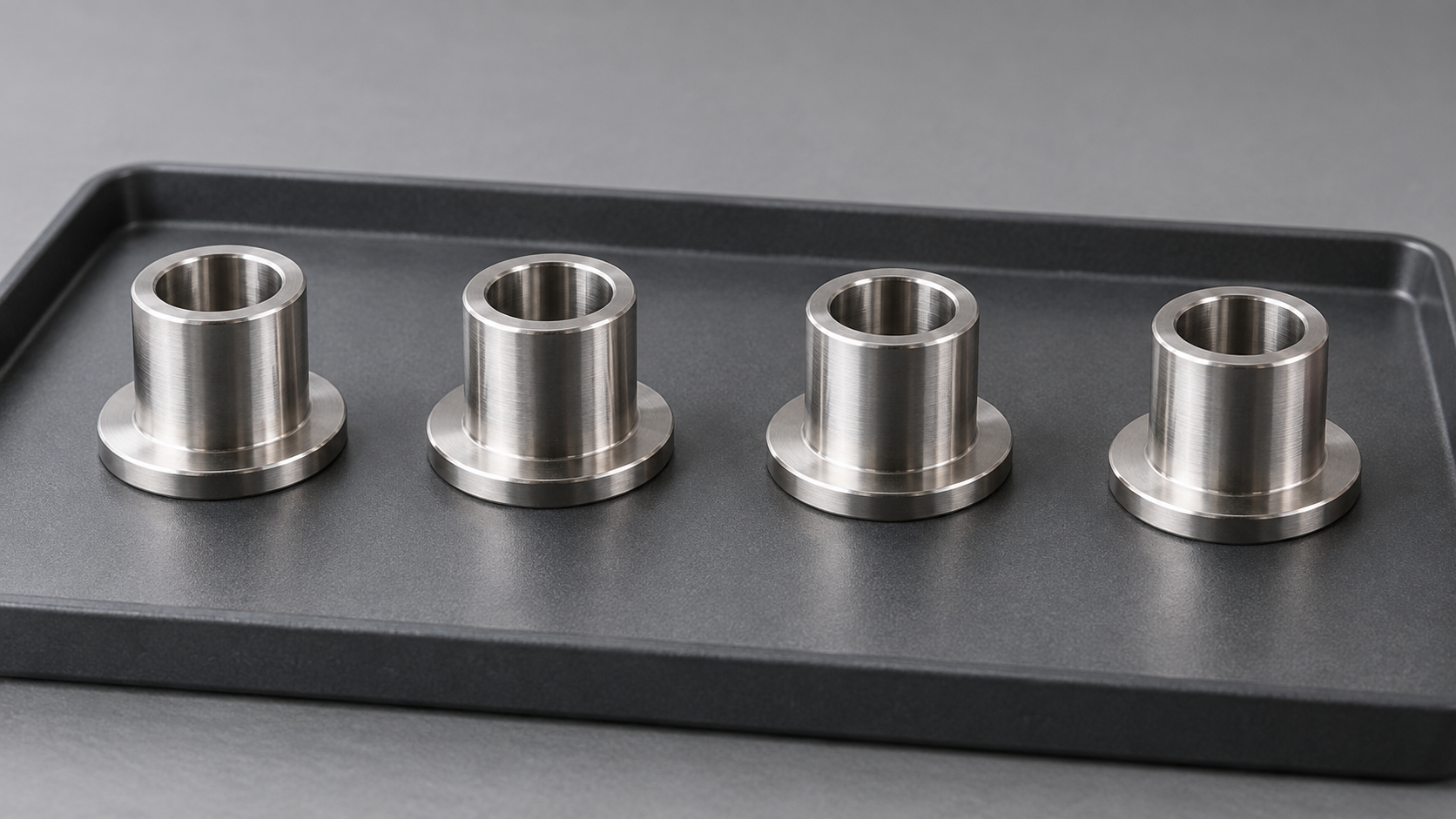
A stainless sample looks good and fits when you try it. That is encouraging, but it is not yet a complete basis for repeat purchasing. The next step is to agree what has been approved and what future deliveries must match.
For a business moving from an established brass component, a clear purchasing handover helps protect the benefit of the change. It connects the sample your team liked with the specification, checks, and ordering information used afterward.
Decide what the sample review must answer
Before samples arrive, list the questions that matter to your product. Can the part be installed? Does the product operate as intended? Is the appearance acceptable? Are the required material and product checks complete?
Assign each question to someone who can judge it. Purchasing can confirm price and delivery terms; the people responsible for product function and quality should approve those aspects. A quick visual check by one person should not be mistaken for approval of everything.
Use your existing product requirements to define the necessary evidence. If the material change triggers customer approval or further testing, include that step in the plan and keep its status visible.
Confirm how the samples were made
Ask whether the samples represent the proposed repeat-production route and final finishing operations. A sample made by another method may be useful for checking shape, but it cannot answer every question about the intended supply.
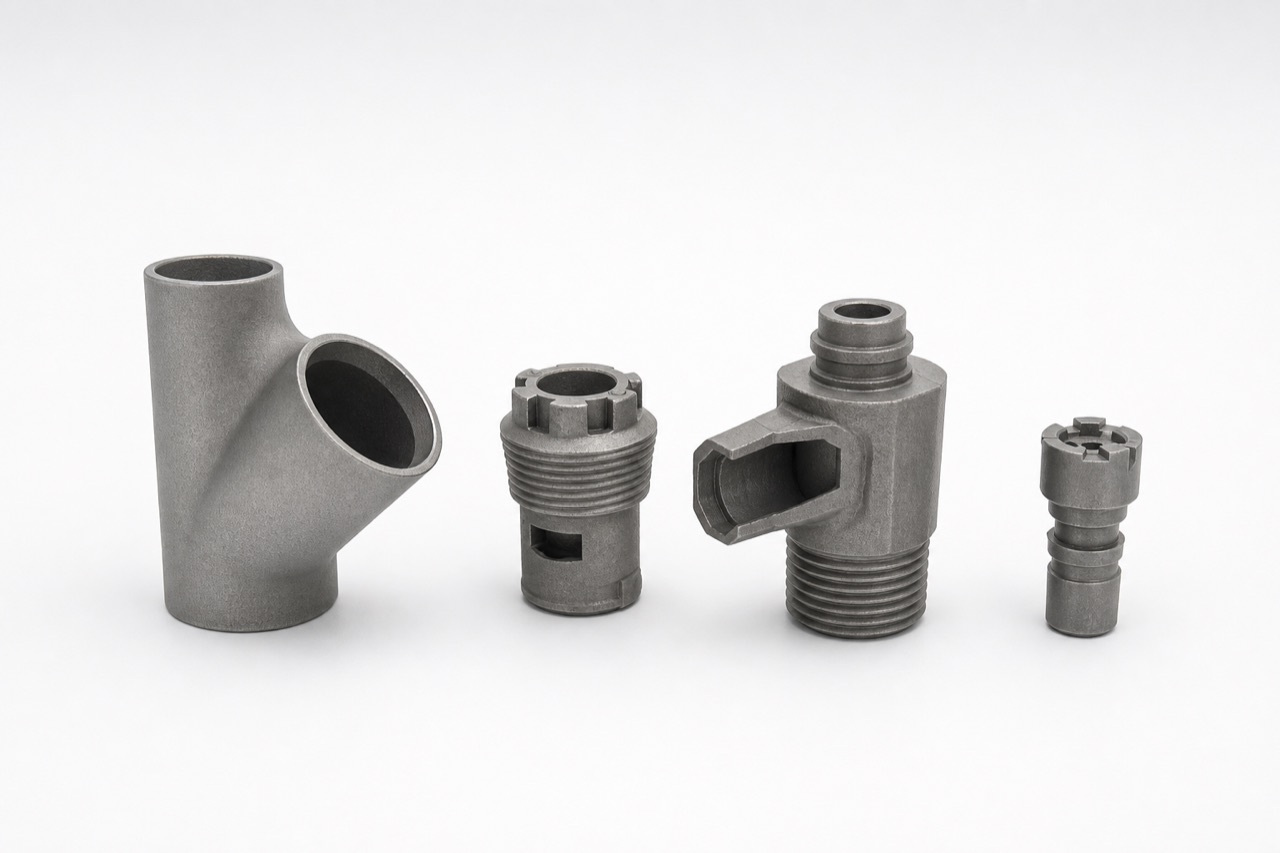
For example, a proposal may use Metal Injection Molding (MIM), which shapes a metal-powder mixture in a mold and processes it into metal. MPIF describes that route here. Clarify which sample conclusions apply to that planned route and which still need confirmation.
Record any temporary differences, such as a sample finish that has not yet been approved. This prevents a helpful early prototype from becoming an accidental promise about future deliveries.
Keep an identifiable approved reference
Once the relevant checks are complete, retain a reference sample and the approved document version. Label them with the part number and approval date. Make sure the supplier and your receiving team can identify the same version.
Record any agreed appearance limits or practical observations that a drawing alone does not explain. For a visible handle, the reference may help with finish comparison; for a fitting component, an agreed check in the mating assembly may be important.
An approved reference supports inspection. It does not replace the material specification, required measurements, or any product tests that apply. Keep those requirements together so that future orders do not rely only on someone remembering the sample.
Make the first delivery a planned step
Agree an initial production order suited to your demand and qualification needs. Define the delivery quantity, packaging, identification, and documents required on receipt. Confirm how incoming issues will be reported and resolved.
Where practical, manage the change alongside your existing supply until the new part has met the agreed checks. The right transition depends on stock, product risk, and customer commitments; there is no universal batch size or timetable.
During the first delivery, capture feedback from the people assembling and handling the parts. A component can meet its written dimensions yet reveal a packaging or installation inconvenience that is easier to correct early.
Give the receiving team a clear acceptance pack
The colleague receiving a production delivery may not have attended the sample discussion. Prepare a short pack that explains which part is expected, which revision is approved, what documents should arrive, and which checks must happen before the parts enter stock. Include a photograph of the approved reference to help with identification.
Keep the pack practical. Separate checks that happen on every delivery from checks handled through the agreed quality plan. Ask your quality team to set the appropriate approach for the product. The aim is a repeatable handover, with responsibilities clear enough that acceptance does not depend on one person being available.
Also define how an issue will be communicated. Record the delivery or lot identifier, describe what was found, and attach a clear photograph or measurement where relevant. Agree who decides whether the delivery can be used, needs sorting, or must be held while the supplier investigates. This helps the team respond consistently when something differs from the approved condition.
After the first production order, review the complete experience with purchasing, assembly, and quality. Did the packaging work? Were the required records included? Did the part install as expected? Did the delivered cost match the quotation? Use those answers to refine the repeat-order instructions.
Once the transition is stable, keep that approved information accessible. A future buyer should be able to reorder the same component without reconstructing the project from old messages. The value of a successful stainless replacement includes both the component itself and a supply arrangement that your team can repeat confidently.
Keep repeat orders tied to the approved version
Use the agreed part and revision identifiers on purchase orders. Ask the supplier to notify you before changes that could affect the approved material, finish, production route, or product function. Agree how proposed changes will be reviewed.
Then evaluate the business result using actual deliveries: finished-part cost, assembly work, supply performance, and any issues found. The sample stage estimates the opportunity; repeat orders show how it works in your purchasing operation.
If you are preparing a brass-to-stainless project, share your part and approval requirements with LP MIM. A useful proposal should explain both how to assess the first samples and what will define an acceptable repeat order.
Comments
Loading comments...