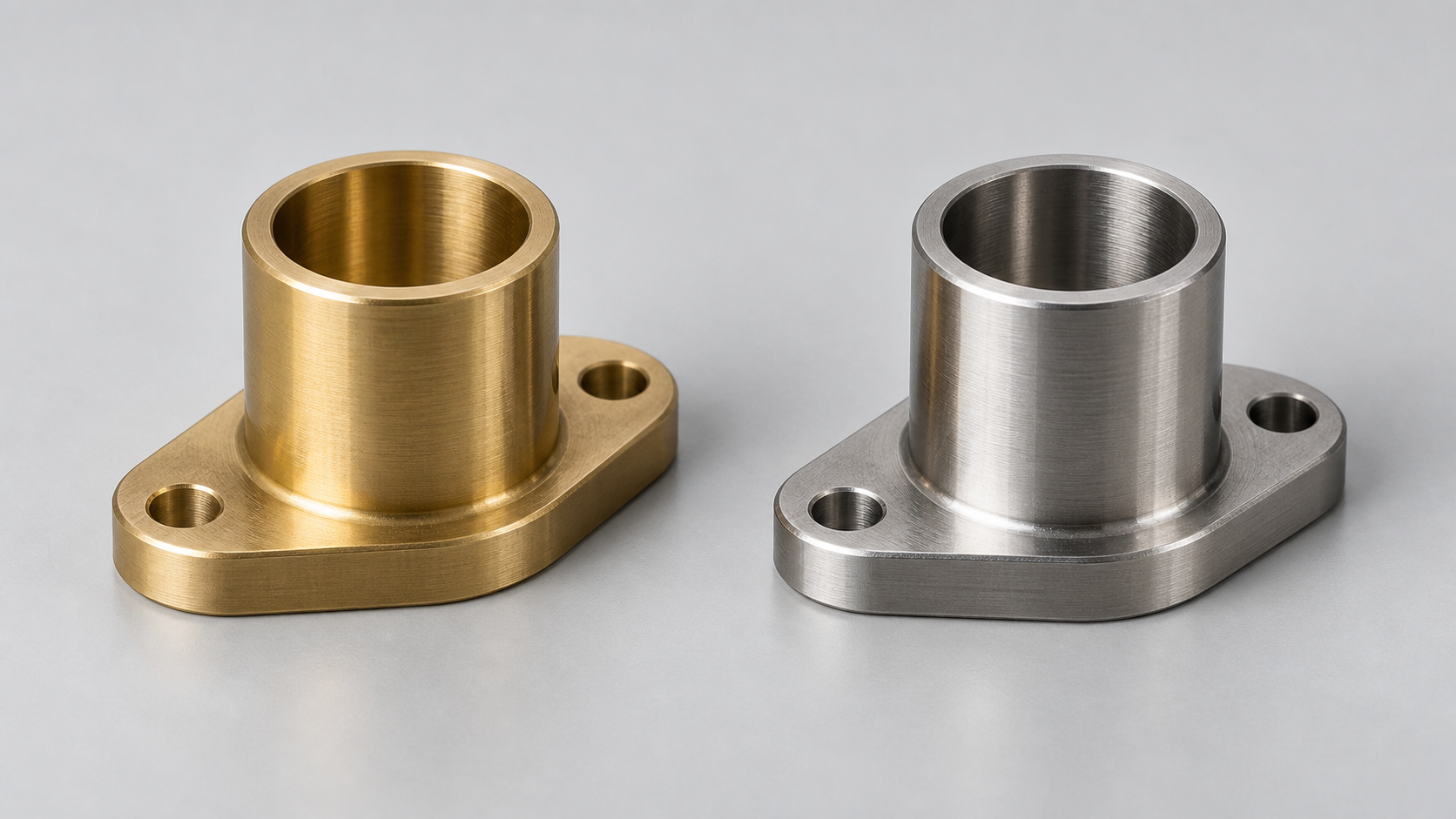
You already buy brass parts. Now someone suggests replacing them with stainless steel made by “MIM.” The useful starting point is simple: stainless steel is a material; MIM is a way of making a metal part. They answer different questions.
Metal Injection Molding, or MIM, shapes a mixture of fine metal powder and a temporary binder in a mold. The binder is removed, and heat joins the powder into a metal component. The finished item is metal, rather than plastic with a metallic coating. MPIF explains the process here.
For a buyer, the attraction is the possibility of making a small, complicated stainless steel part without cutting every feature from a solid piece of metal. That can open up a useful alternative to an existing brass design.
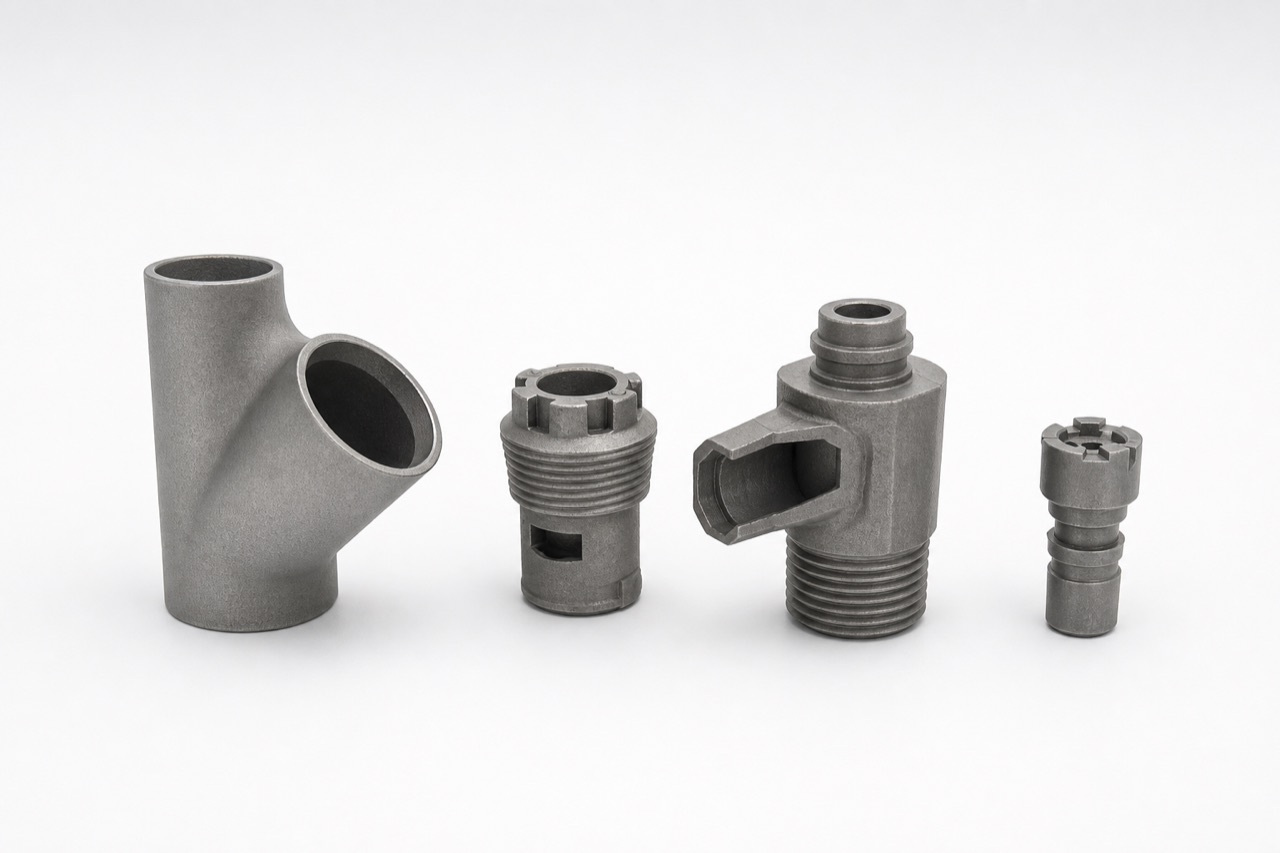
Why the shape matters as much as the metal
Look at one of your current parts. Does it have a curved arm, mounting ears, a shaped grip, or several features that your supplier adds in separate operations? Those features may explain more of its price than its weight does.
A mold can form several features together. MIM therefore gives the supplier another way to approach the shape. Some holes, contact surfaces, or finishes may still need work afterward. The question to ask is which operations the proposed route removes and which remain.
Imagine a small lever with a pivot hole and a stop at one end. Its value is in what it does inside the product. A MIM proposal should show how that function is preserved while changing the way the lever is produced. The supplier should explain which features can be formed together and which still need finishing.
What could change in your costs?
Start with the delivered component you buy today. Its price may include the metal, machining, polishing or plating, assembly, and inspection. A stainless alternative could change several of those costs together.
There will also be a mold to consider. Ask for that initial expense separately from the price of repeat orders. Give the supplier both your expected order quantity and your realistic annual demand; a price based on a much larger order is not yet a saving for your business.
It helps to ask for a short written explanation: “Which steps are different from our current brass route?” You should be able to understand the commercial reason for a proposed saving without learning the entire manufacturing process.
Can stainless replace every brass part?
No. First establish why the current material was chosen. A component that mainly holds, locates, or connects other parts presents a different question from one chosen specifically to carry heat or electricity. Copper materials have useful conductive properties, as illustrated in CMG’s material overview.
“Copper,” “brass,” and “bronze” are also not interchangeable purchasing descriptions. Send the actual grade if you know it. If you do not, say that it is unknown instead of guessing from the color.
The replacement must suit the product’s use, appearance, and applicable requirements. A cheaper material description on a quotation is not proof that the finished part will do the same job.
What should a useful first proposal look like?
A useful proposal connects the material, the shape, and the buying decision. It should explain why stainless deserves consideration for this component, identify any design changes, and describe the condition in which the finished part will arrive. Ask the supplier to keep these points together so that the quotation does not become separated from its assumptions.
For example, imagine that your existing brass housing includes a mounting feature attached later. One proposal may keep the current arrangement and change only the material. Another may form the housing and mounting feature together. Compare both against the same product requirements. The second option could reduce assembly work, but it still needs to fit the surrounding parts and allow the product to be serviced.
Agree a simple decision sequence before paying for a mold. First, confirm that the material and proposed shape are worth investigating. Next, review the expected finished-part cost and initial charges. Then decide which samples and checks are needed before ordering production quantities. This keeps the discussion manageable for a buyer who is learning the process.
It also helps to name the person responsible for each question. Purchasing can organize demand and commercial terms, while product and quality colleagues confirm fit, use, and acceptance. You do not need to understand every production detail yourself. You do need a clear explanation of what will change, what evidence supports the change, and which decision comes next.
What should you send for a first discussion?
You do not need to become a MIM specialist. Start with a clear photo or drawing, the part’s purpose, approximate size, and expected demand. Add the main reason you are considering a change: a high component price, too many assembly steps, a difficult shape, or an appearance issue.
Then ask for three things: whether stainless is a sensible material to investigate, whether MIM is a suitable production route, and what information is needed before a reliable quotation can be prepared.
If you want a deeper follow-up after this introduction, our guide to identifying conversion candidates examines the next level of assessment. To start with your own component, send LP MIM your part information. A useful first outcome is a clear direction for evaluation, with the assumptions made visible.
Comments
Loading comments...