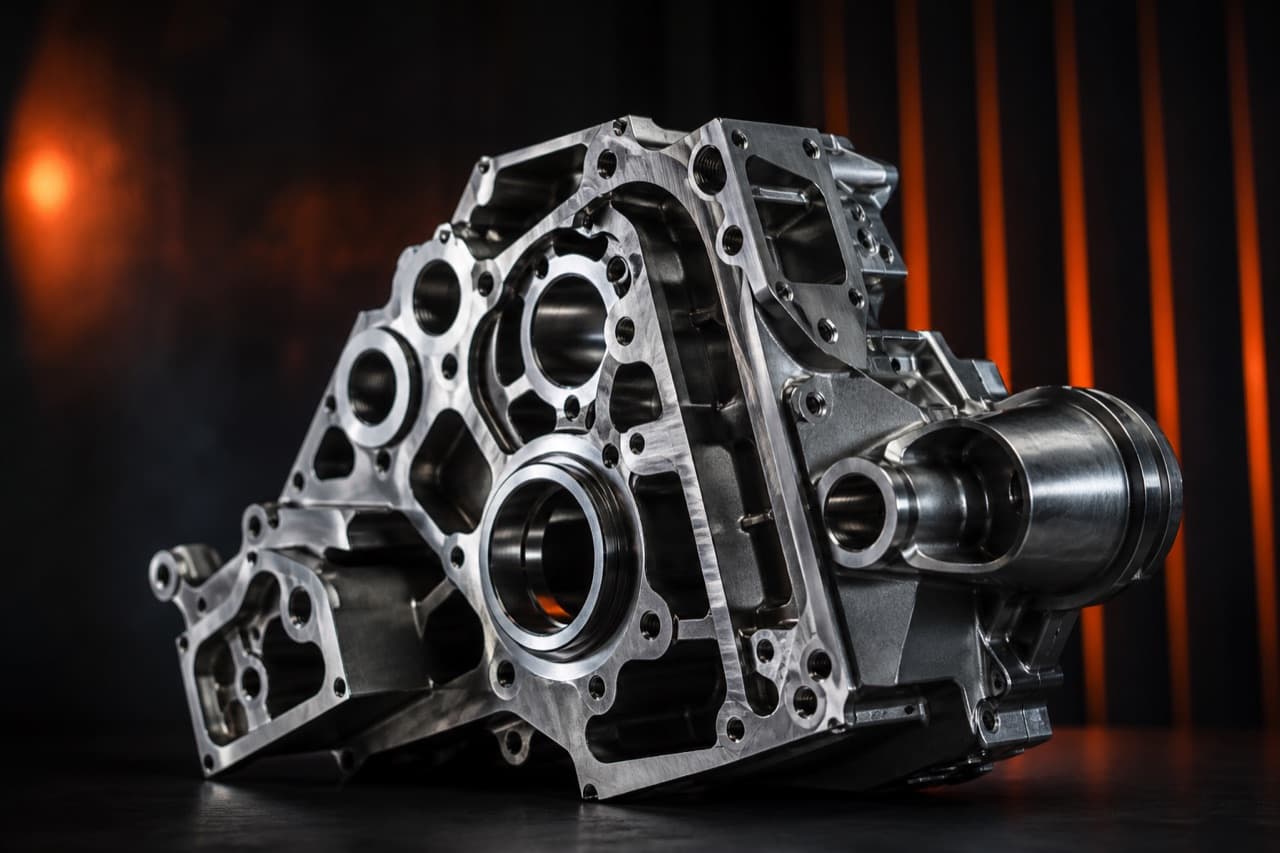
Machining-heavy parts
Parts with many CNC steps, fixtures or tool changes.
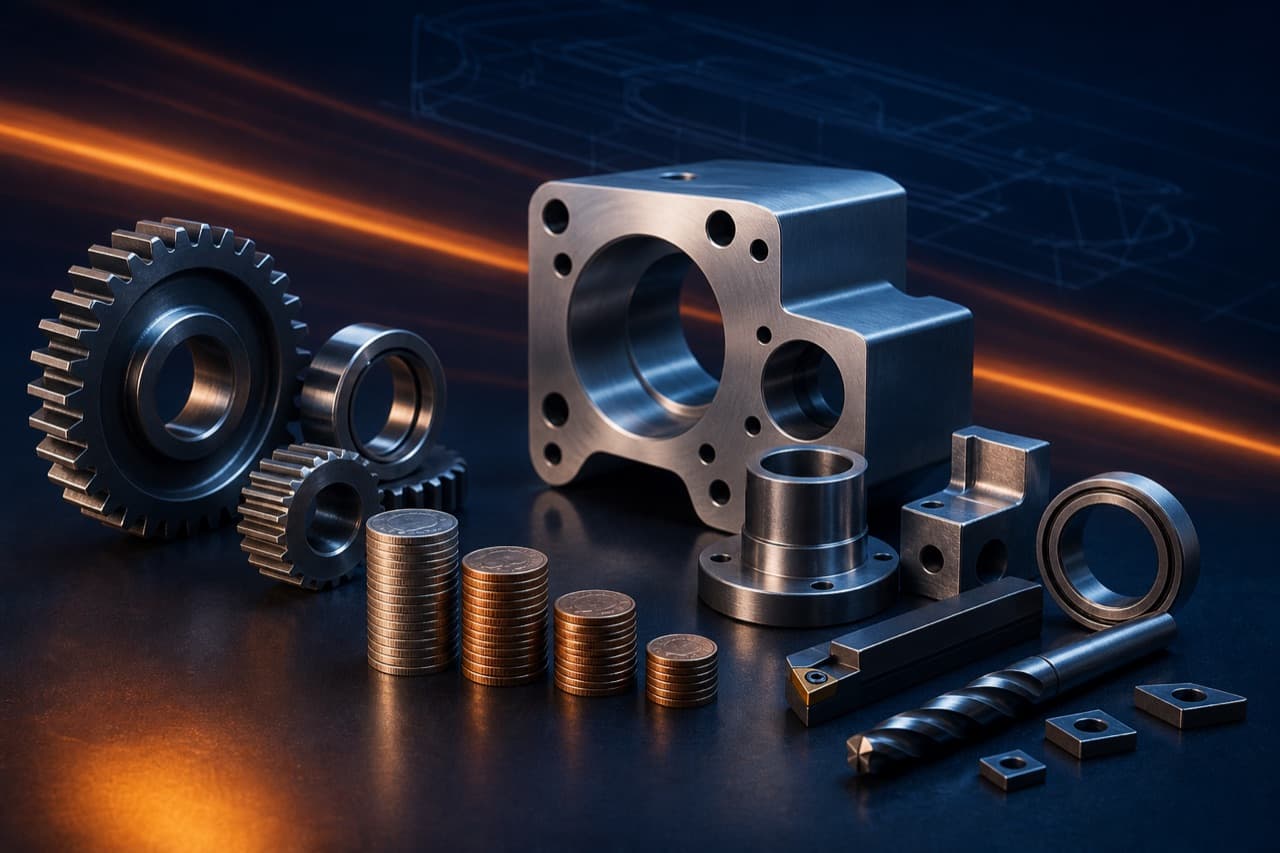
METAL PART COST REDUCTION
MIM cost reduction is not just a material substitution story. It comes from reducing machining time, material waste, assembly steps and production variation when the part is a good process fit.
Request Cost ReviewSmall complex parts can become expensive because of machining cycle time, scrap, multiple setups, casting cleanup, inconsistent quality or manual assembly. MIM should be evaluated against the whole cost stack, not only unit material price.
Parts with many CNC steps, fixtures or tool changes.
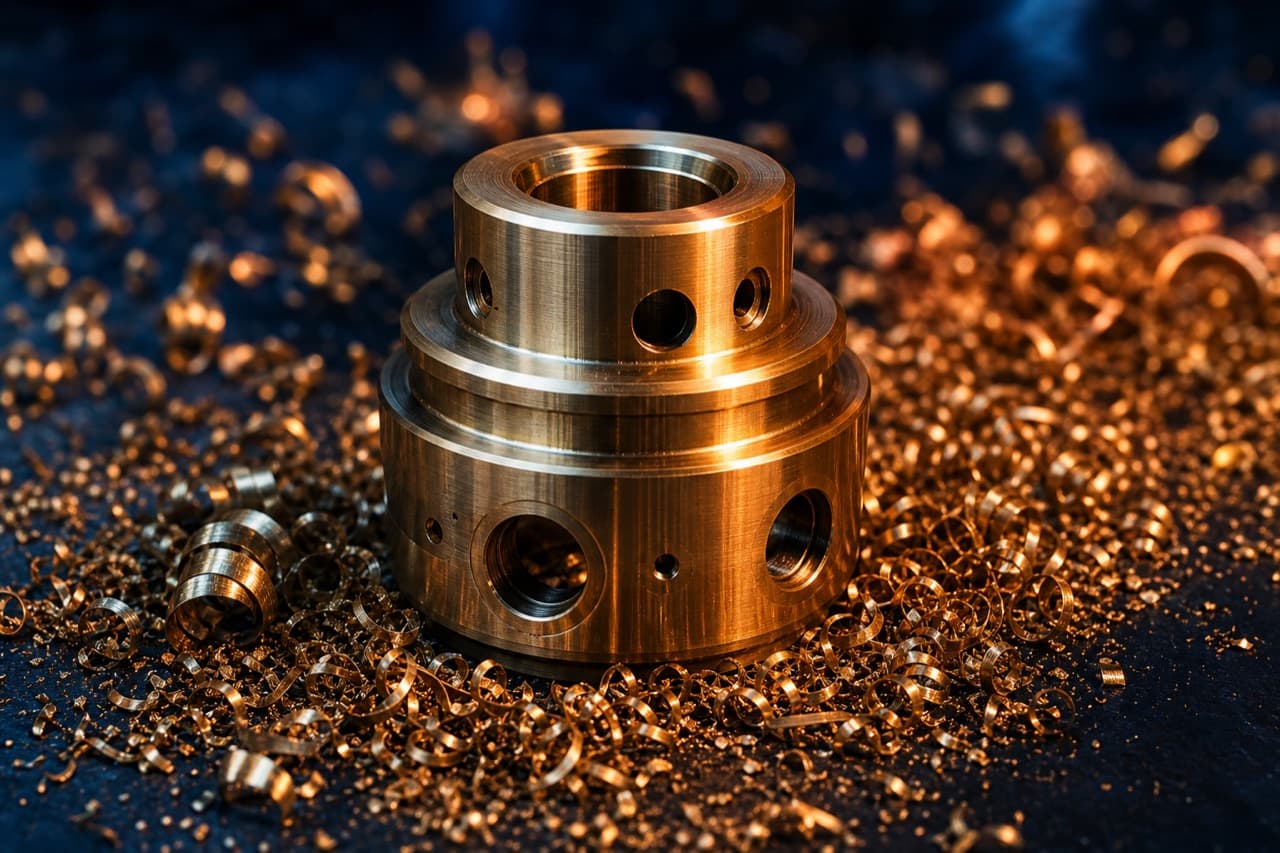
Brass, copper alloy, stainless or specialty parts with expensive scrap.
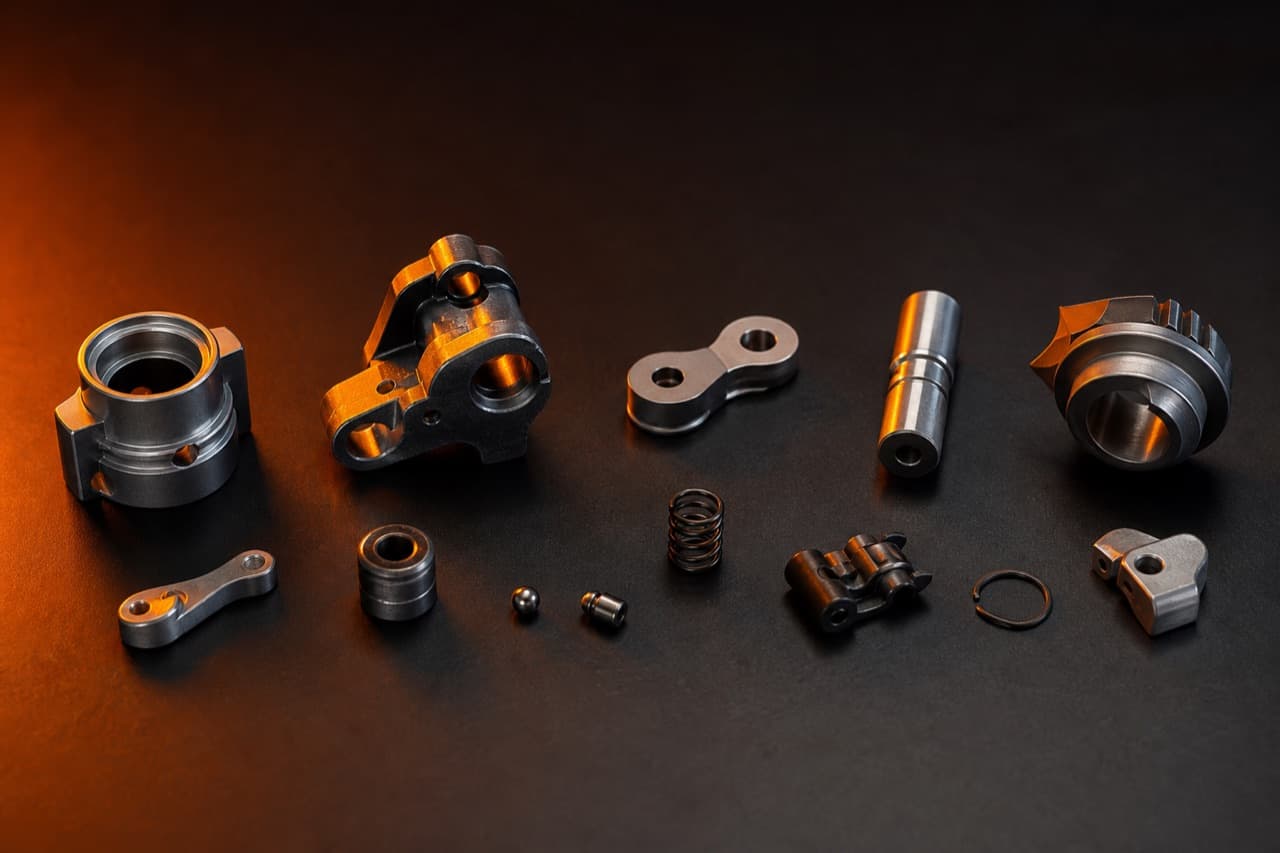
Designs where features can be consolidated into one molded component.
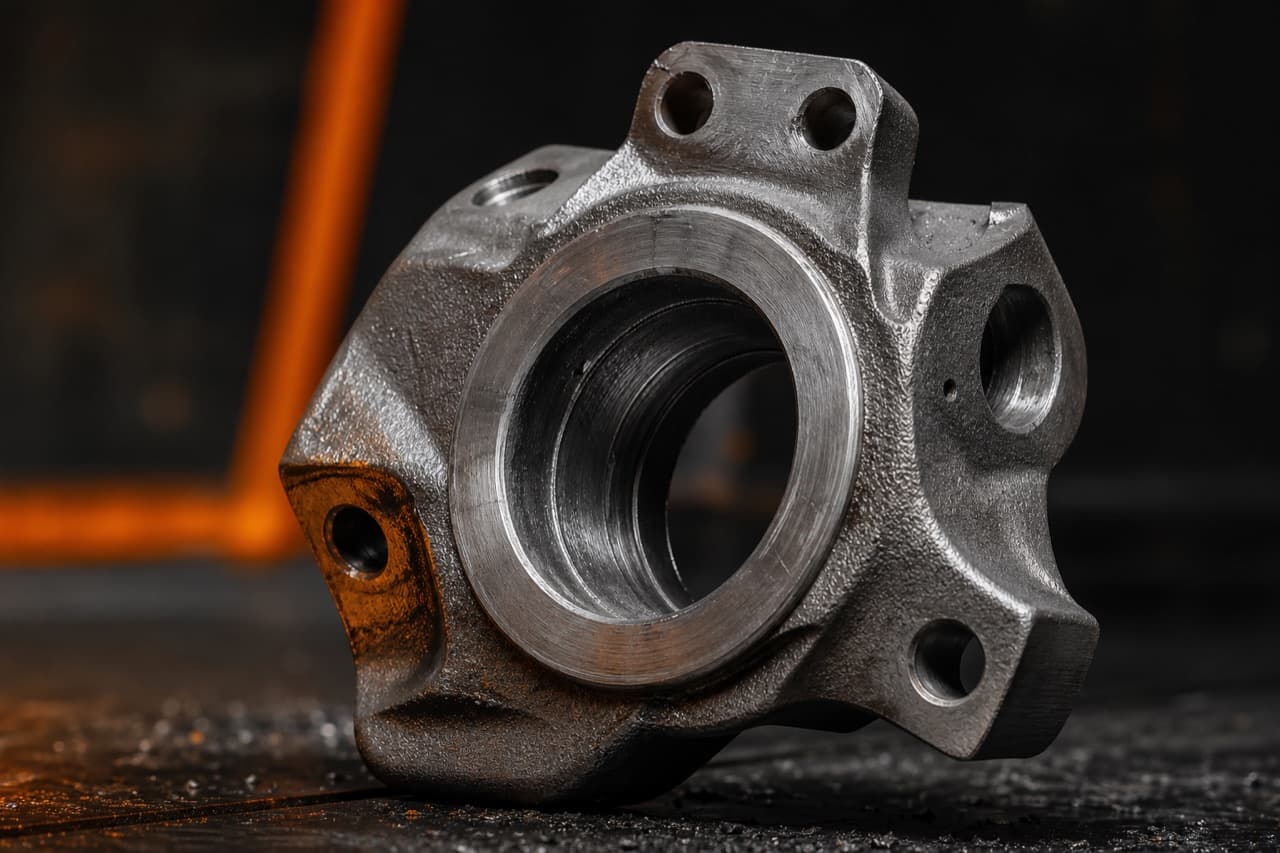
Cast components that require too much finishing or cannot hold enough repeatability.
We review process fit before recommending a material or production change.
High-volume components
Tooling cost is spread over meaningful annual demand.
Complex geometry
MIM value rises as machining or casting complexity rises.
Stable design
The part is mature enough for tooling.
Low or uncertain volume
Tooling payback may not work.
Large simple parts
Other processes may be cheaper.
Unvalidated material change
Performance requirements can outweigh unit cost.
A practical review compares your current process against a MIM route with tooling, material, sintering, secondary machining, finishing, inspection, logistics and risk.
| Factor | What to evaluate |
|---|---|
| Current process cost | CNC, casting, stamping, brass machining or copper machining each has a different cost profile. |
| Annual quantity | Volume determines tooling payback. |
| Tolerance and finishing | Secondary operations must be included. |
| Application risk | Strength, conductivity, corrosion and surface needs control the material path. |
MIM can reduce cost by replacing repeated machining, reducing material waste, consolidating features and scaling stable small complex parts.
No. Low volume, large simple geometry or heavy secondary machining can make MIM unattractive.
There is no universal number. The right threshold depends on tooling, part complexity, material and current process cost.
Yes. We review precision, cleanup, yield, tolerance and volume to compare MIM against casting routes.
Upload your drawing and tell us the current process, material, volume and cost problem.
Request Cost Review