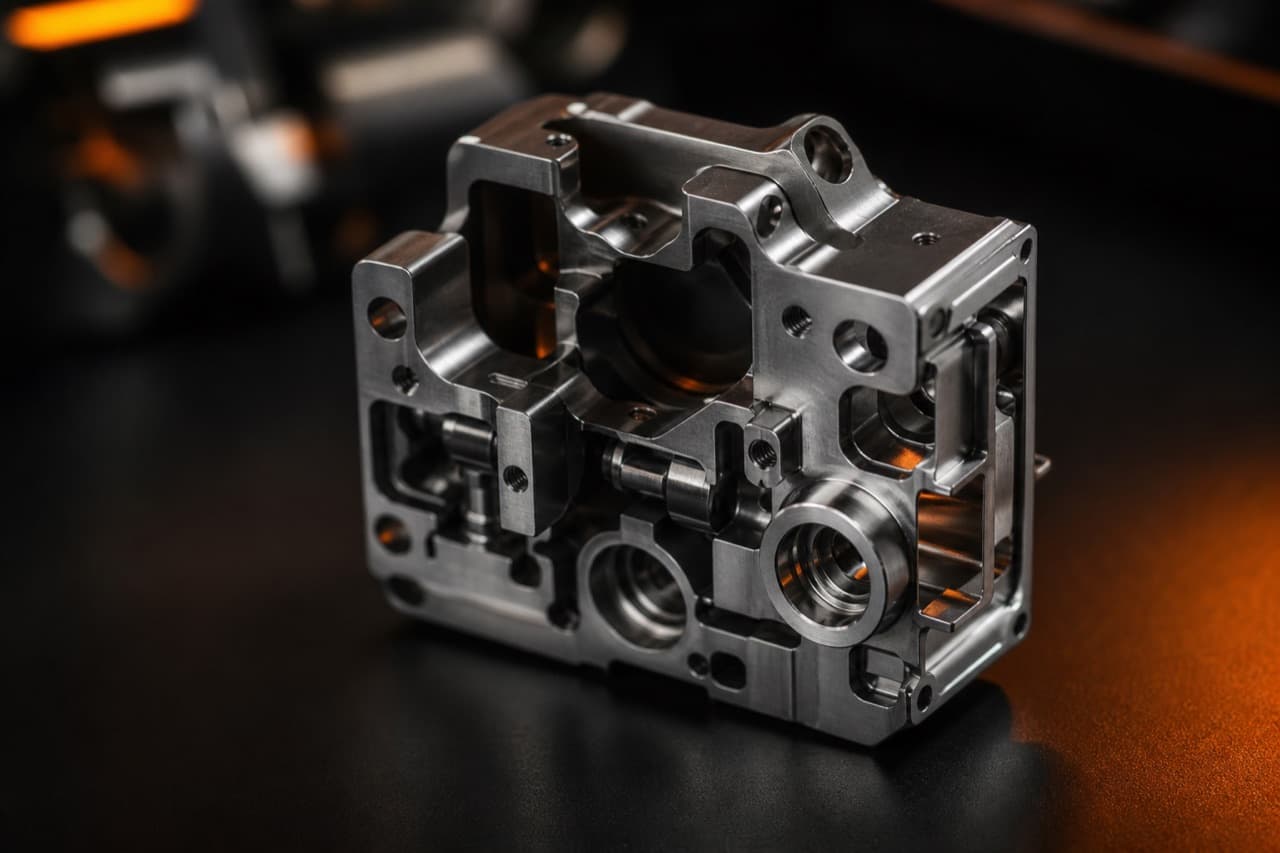
Small complex metal parts
Components with pockets, ribs, undercuts or repeated drilling/milling steps.
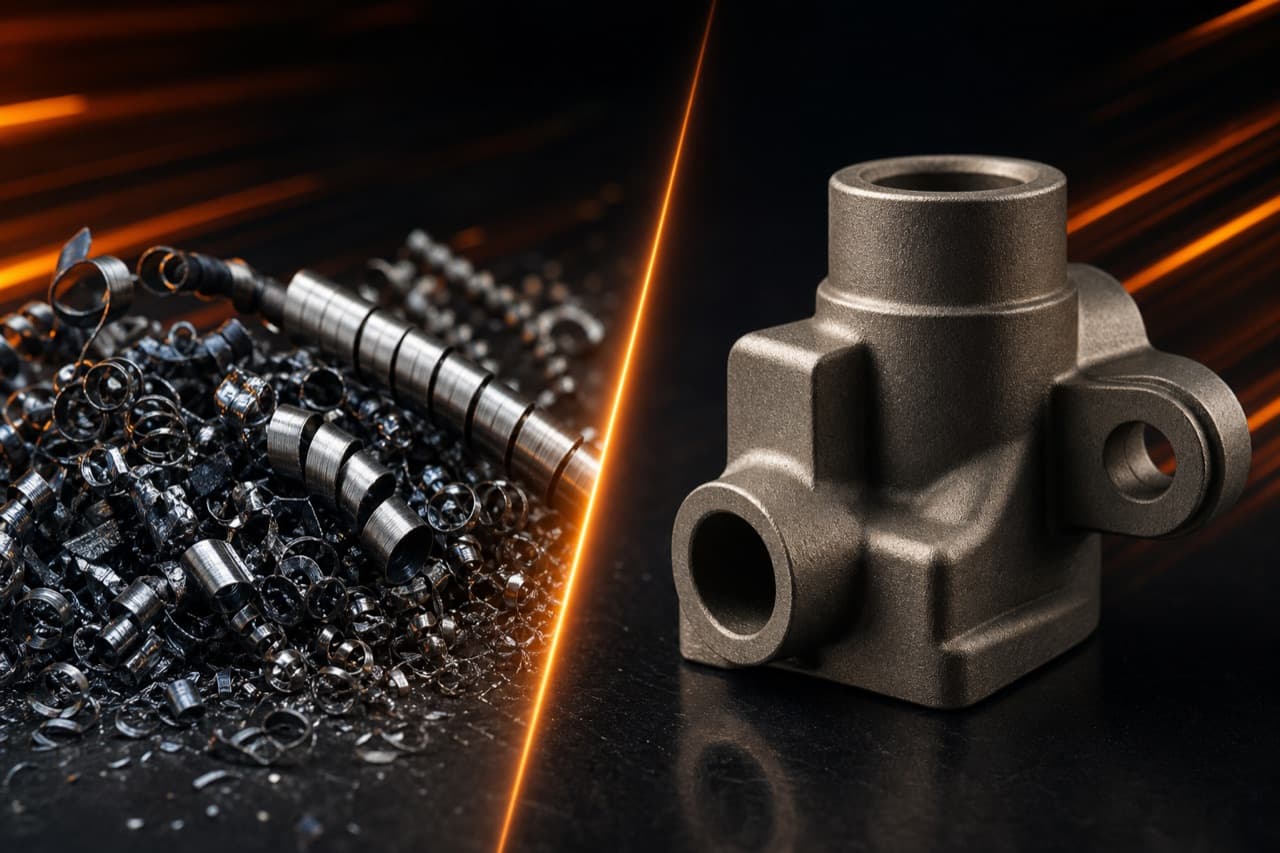
CNC MACHINING ALTERNATIVE
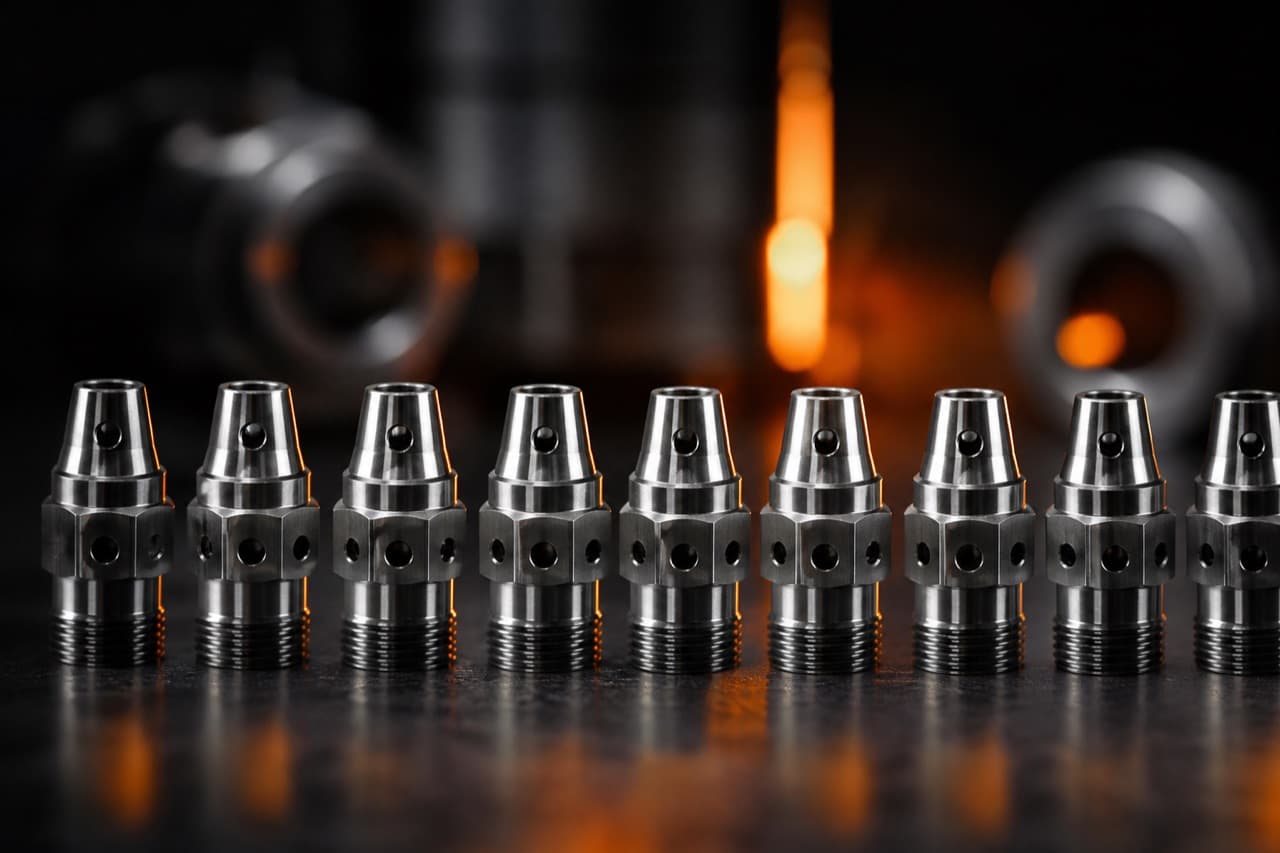
CNC machining is flexible and precise, but it can become expensive when small complex metal parts require many operations, long cycle time and high material removal. MIM can be a better path for stable high-volume parts after DFM review.
Upload CNC PartThe issue is rarely CNC itself. The cost pressure appears when complexity, repeat volume, scrap and cycle time stack up. MIM is worth evaluating when the part is small, repeatable and difficult to machine efficiently.
Components with pockets, ribs, undercuts or repeated drilling/milling steps.
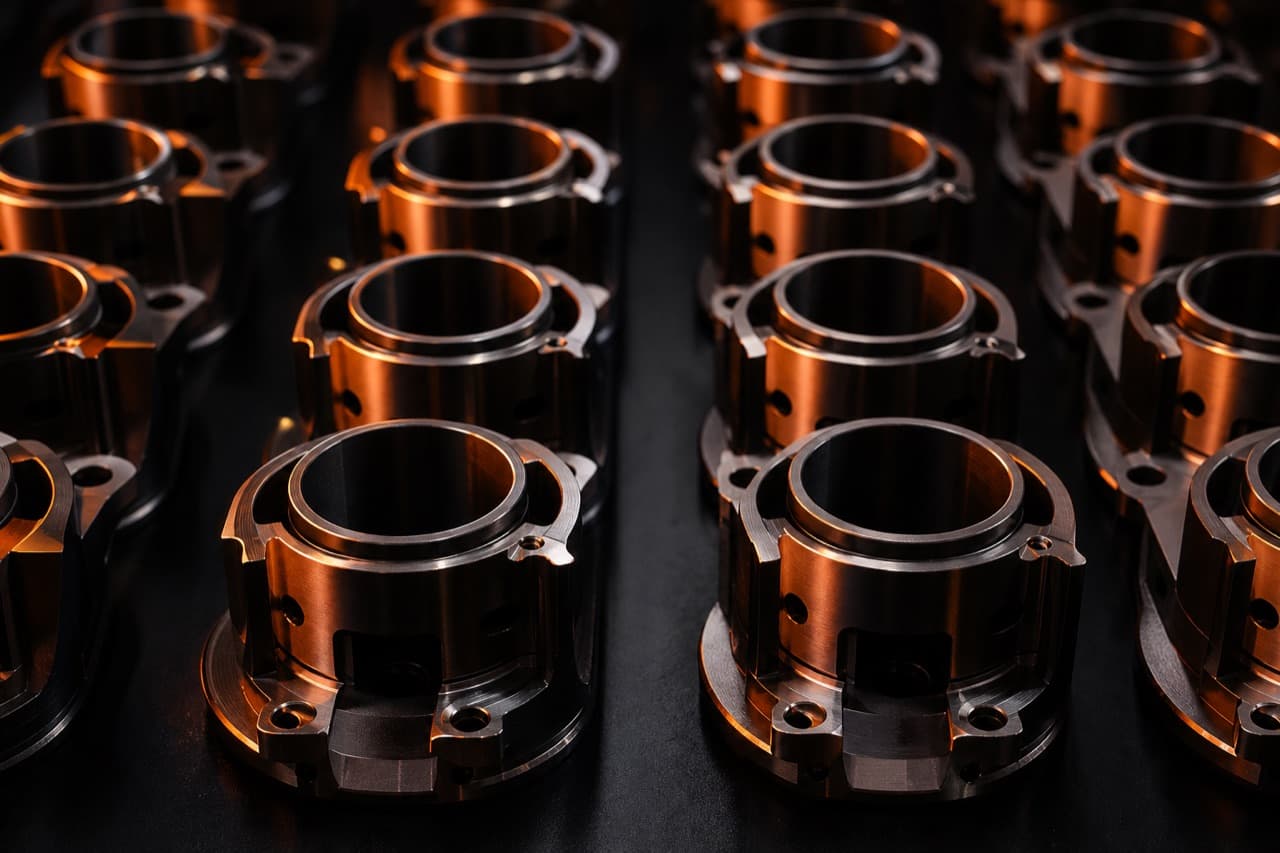
Parts produced repeatedly where tooling amortization can beat machining time.
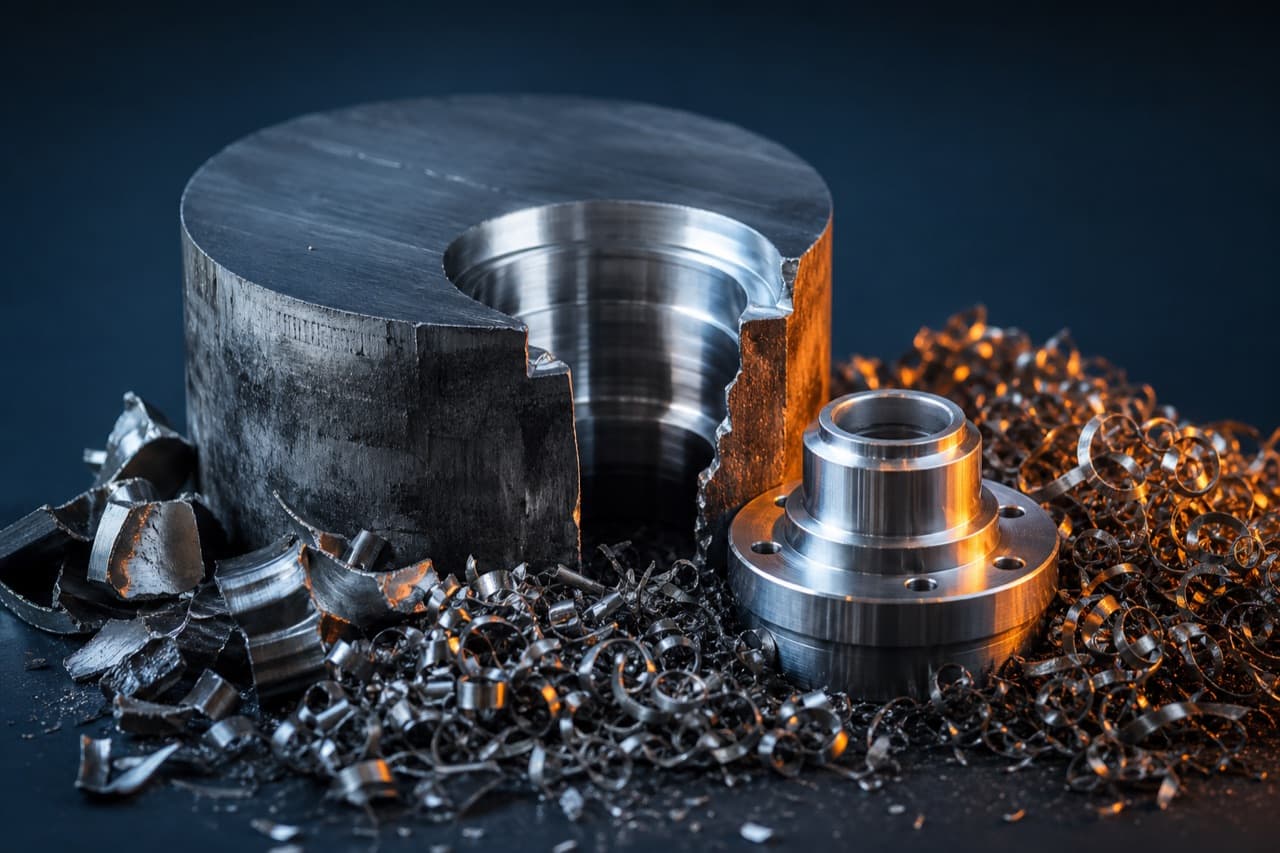
Components machined from costly bar, billet or plate stock.
Programs where consistent tooling-based output can reduce variation.
We review process fit before recommending a material or production change.
Stable annual demand
The design is not changing every few weeks.
Complex small geometry
Part size and feature density fit MIM processing.
Material waste problem
CNC removes too much expensive metal.
Prototype and low-volume work
CNC avoids tooling cost and supports fast design changes.
Very tight all-over tolerances
MIM may need secondary machining or may not be suitable.
Large simple parts
Machining, casting, forging or stamping may be better.
The comparison should include tooling, CNC cycle time, scrap, setup, fixture cost, secondary operations, quality loss and annual volume.
| Factor | What to evaluate |
|---|---|
| Tooling amortization | MIM needs enough volume to justify tooling. |
| Cycle time | Multiple CNC operations make MIM more attractive. |
| Material waste | High chip waste increases CNC total cost. |
| Tolerance strategy | A hybrid MIM plus targeted machining plan can be optimal. |
For prototypes, usually no. For stable high-volume small complex parts, MIM can be cheaper after tooling amortization.
MIM has process tolerances and may need secondary machining on critical features. The correct comparison is often MIM plus targeted machining versus full CNC.
Review MIM when annual volume is stable, geometry is complex, machining time is high and the design is close to frozen.
A 3D model, 2D tolerance drawing, current material, annual quantity and current process notes are best.
We will compare geometry, tolerance and volume to determine whether MIM can reduce production cost.
Upload CNC Part