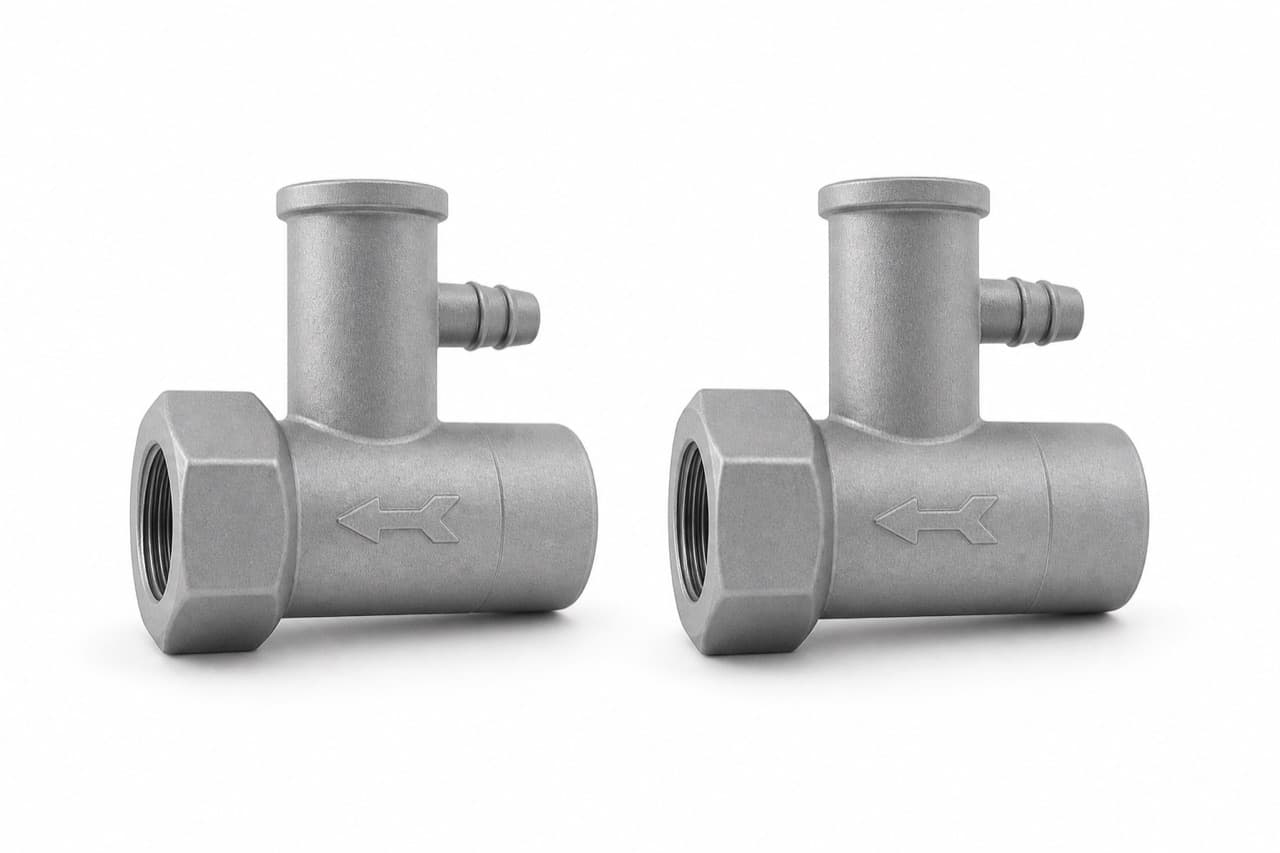
Distribution junctions
Review branch transitions, sealing interfaces and passage access.
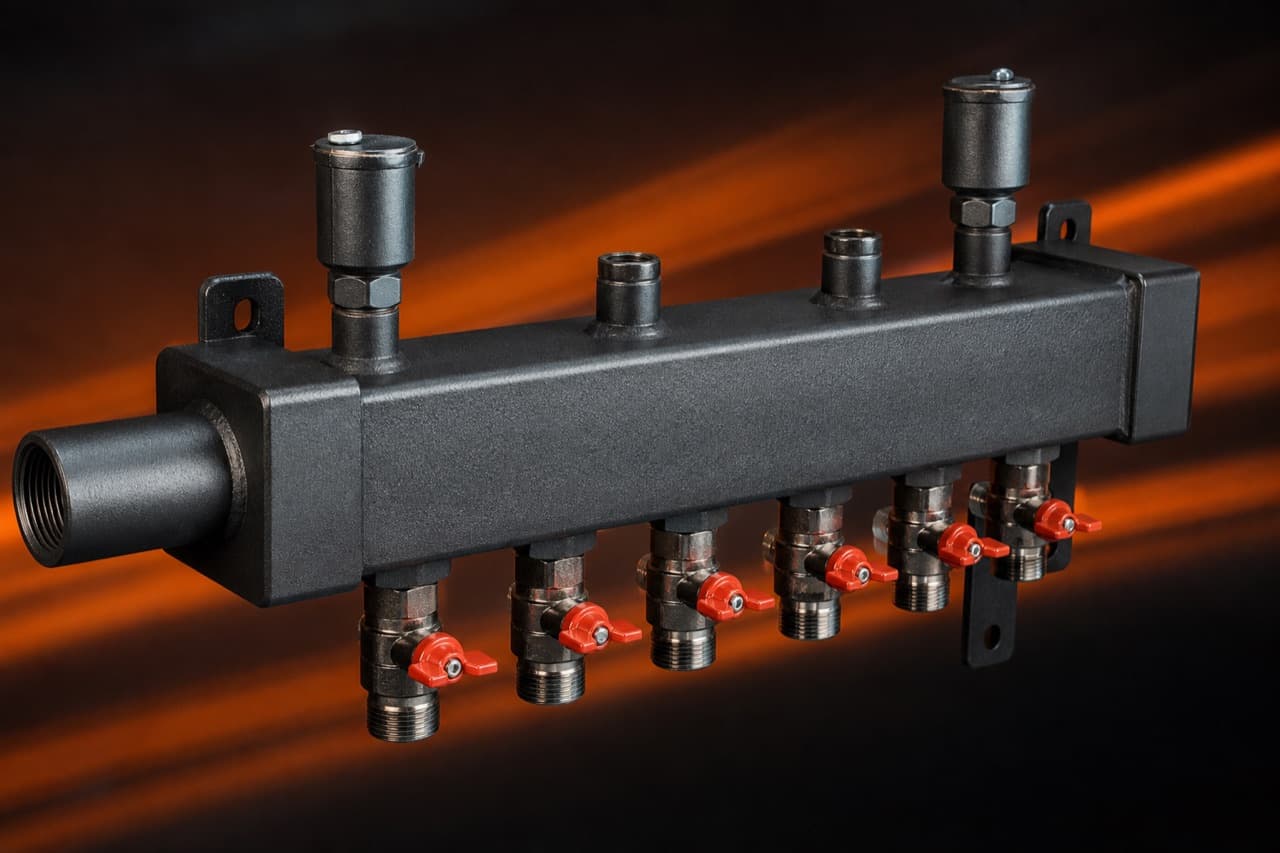
MANIFOLD OEM
Water manifolds and zone distribution blocks traditionally rely on brazed brass or machined bar assemblies — high labor, leak paths, and copper-linked material cost. Monolithic 304 MIM forming consolidates internal galleries into one stainless body.
Review branch transitions, sealing interfaces and passage access.
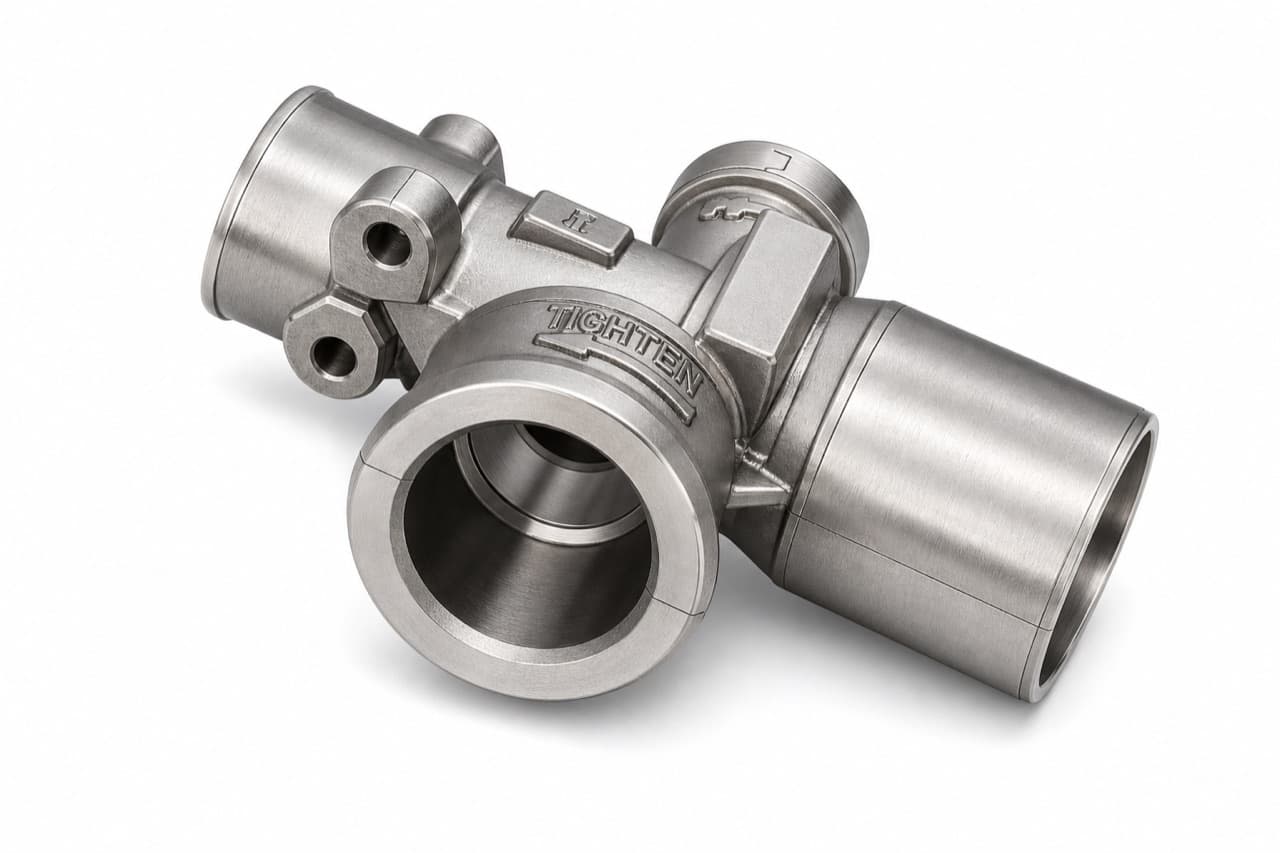
Use the model to review wall sections, port placement and secondary operations.
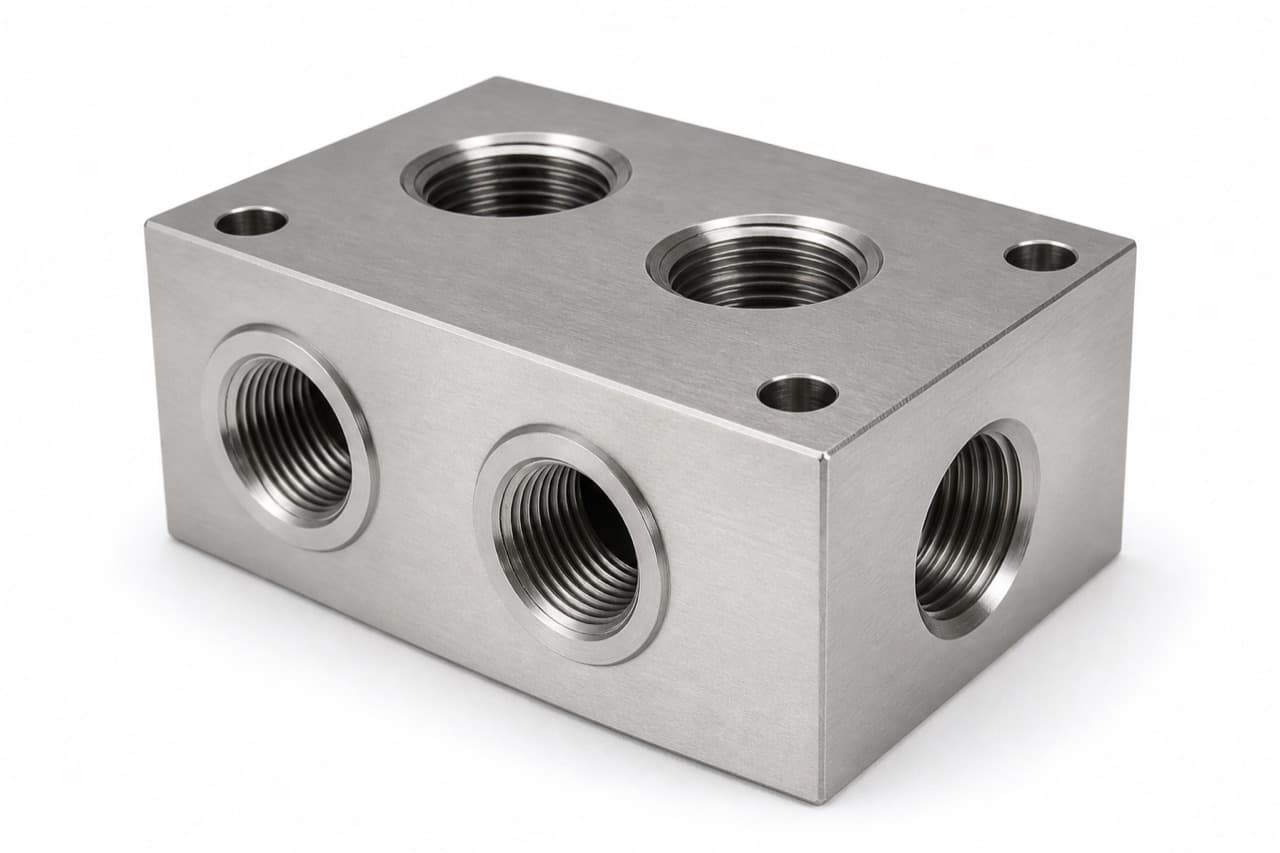
Define port requirements and compare suitable manufacturing routes for the block.
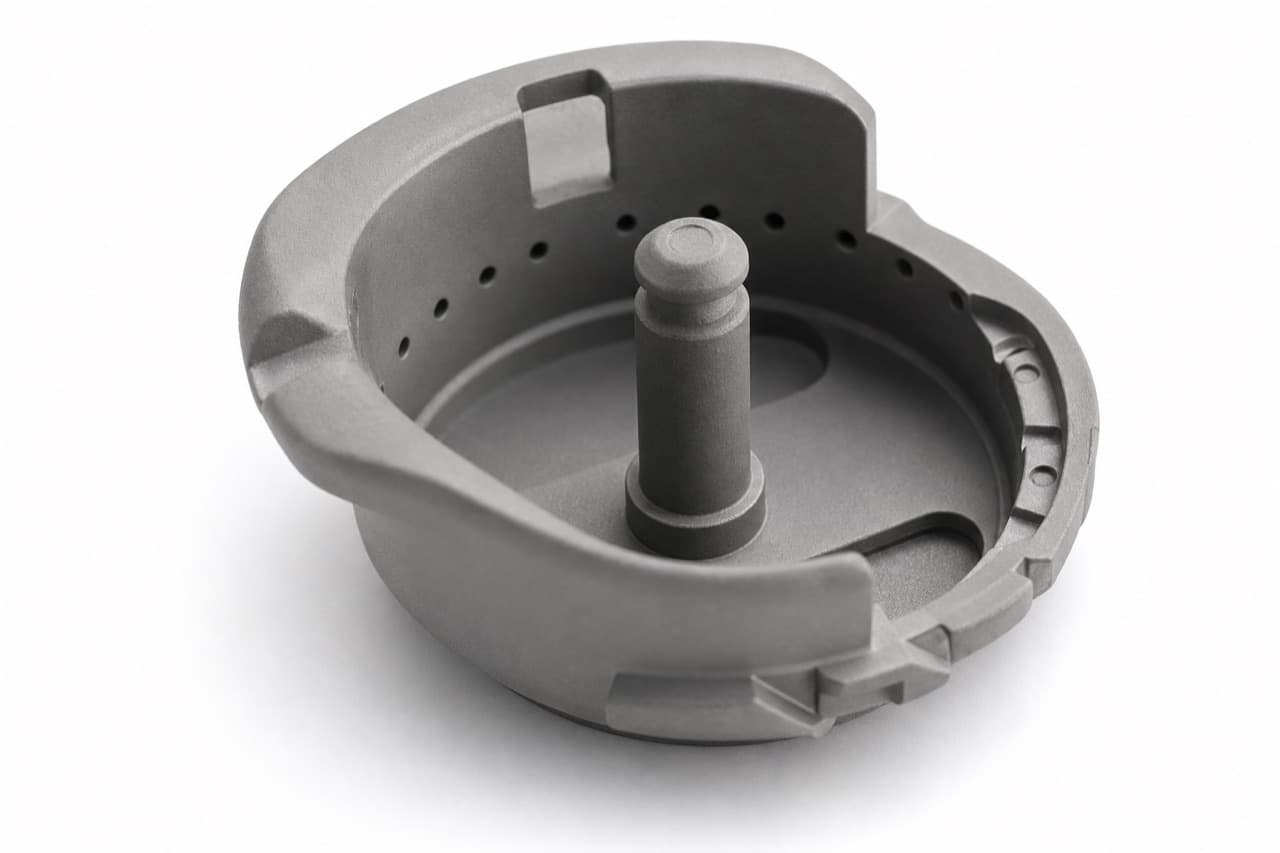
Review locating and retaining features before assigning a material or manufacturing route.
Fewer leak paths and pressure-test failures versus multi-piece brass construction.
Single MIM body replaces several machined and brazed components.
304 stainless vs brass comparison available for your pressure and water chemistry spec.
High-cavity tooling for stable annual manifold programs.
When internal complexity is high and annual volume amortizes tooling. Simple straight manifolds may remain machined; complex galleries favor MIM.
Validate burst and cyclic pressure against sintered density and post-machined sealing faces per your engineering spec.
Yes — send assembly drawings. DFM review identifies consolidation opportunities and joint elimination.
We identify brass-to-MIM conversion and assembly simplification opportunities.
Upload Your Part