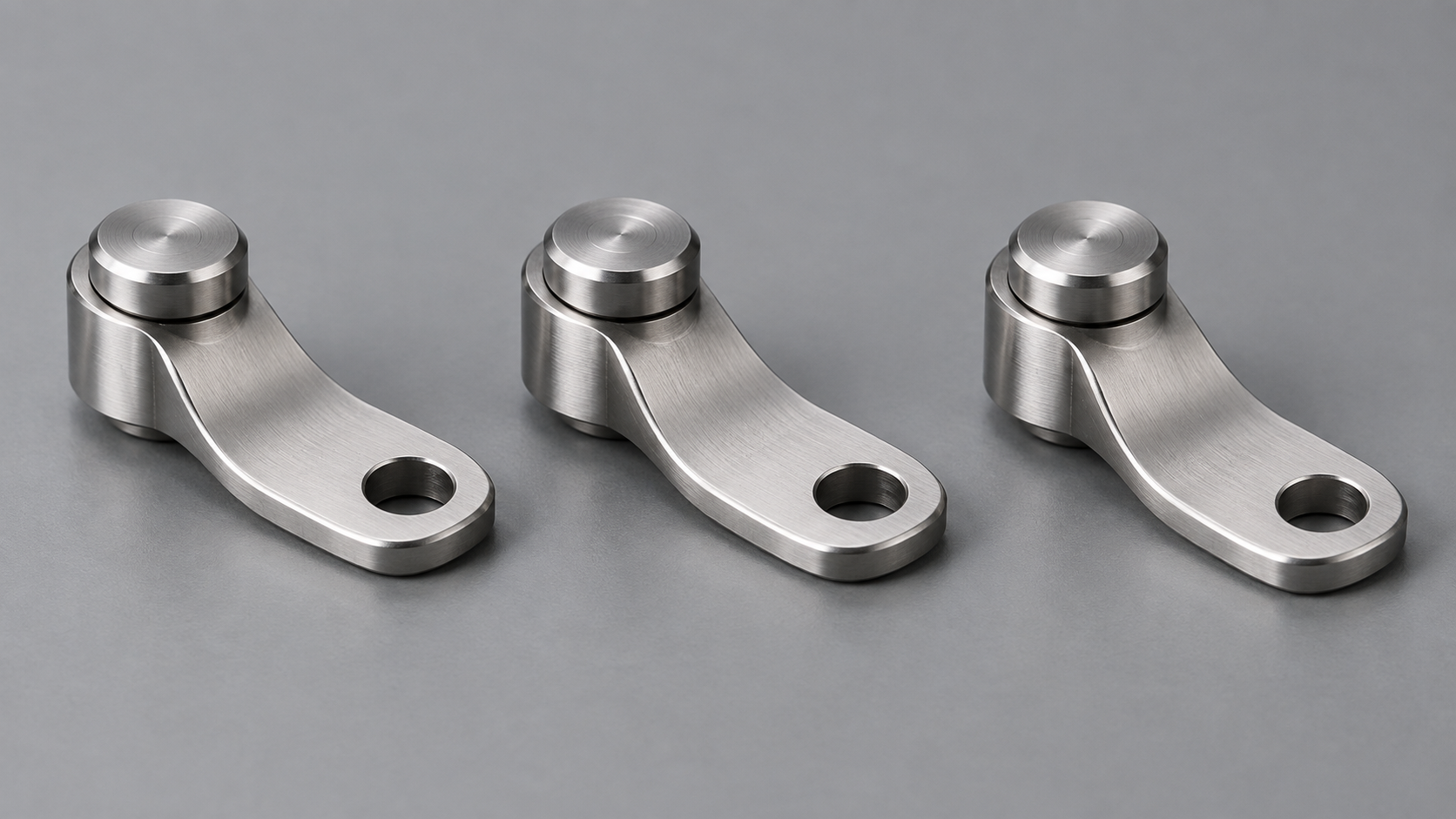
A stainless steel quotation can look cheaper than your current brass price and still leave important work unpaid. Before choosing the lower number, confirm that both quotations describe the same finished result.
The most useful comparison is a part you can actually receive and use, at a quantity you realistically expect to order. You do not need a complicated spreadsheet to start. You need clear answers about what each supplier includes.
If the stainless proposal uses Metal Injection Molding (MIM), it involves shaping a metal-powder mixture in a mold and processing it into metal. MIMA explains why complex parts can suit this route. That makes it a production option to price carefully, rather than evidence that stainless will always be cheaper.
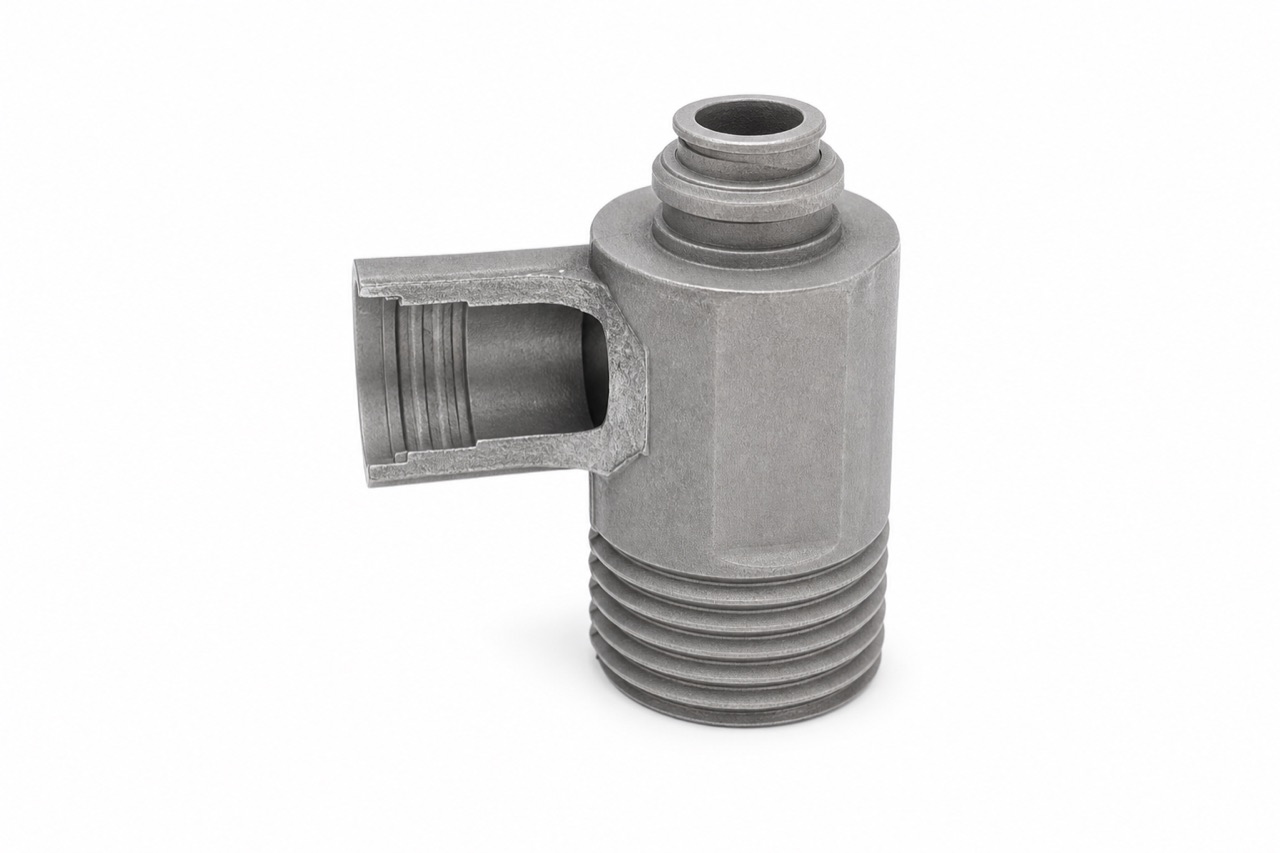
1. Are both prices for the same finished condition?
Put the existing component on the table and describe how it arrives: material, surface appearance, completed holes or threads, cleanliness, and packaging. Identify any work your team does before using it.
Now ask the new supplier to describe the proposed delivery condition in the same way. Does the price include the agreed finish? Are all necessary operations complete? Is any inspection or testing charged separately?
A hypothetical example makes the distinction clear. One supplier quotes a finished, polished component; another quotes an unfinished metal shape. The second figure may be useful for discussion, but it is not yet a comparable purchasing price.
2. What quantity does the price assume?
An annual forecast and a purchase order are different things. Tell the supplier how many parts you expect to use in a year and how many you normally receive in one delivery.
If you expect several smaller orders, ask whether the quoted price applies to those releases or requires buying the annual quantity at once. Check any minimum order and the cost of holding stock on your side.
You can request prices at a small number of realistic quantity levels. Avoid using an optimistic future volume as the basis for a decision that must work with today’s demand.
3. Which charges happen once?
Ask for tooling, sample preparation, and other initial charges to be shown separately from recurring part costs. Confirm what each charge covers, when it becomes payable, and what happens if the design changes.
Also clarify the commercial arrangements around the mold: ownership, storage, maintenance, and access if supply arrangements change. Get the agreed terms in writing rather than relying on what “tooling included” appears to imply.
There is no universal number of parts that makes every MIM proposal worthwhile. The answer depends on the actual initial expense and the difference between equivalent recurring costs. Our tooling payback guide offers a more detailed follow-up when you have those figures.
4. What else must happen before production?
Ask which samples, product checks, or customer approvals are required before the new part can be used. Agree who organizes them and who pays. These tasks can affect the timing of the switch even when the repeat-order price is attractive.
Check the quotation’s delivery basis, freight assumptions, currency, payment terms, and validity period too. Keep those terms beside the price so that a later comparison uses the same assumptions.
Do not count a possible saving from removing plating or assembly until the proposed design has actually removed that requirement. An attractive assumption should become an agreed specification before it becomes a saving in your budget.
Put the assumptions beside the price
A short comparison sheet can prevent two apparently similar offers from drifting apart. Use one row for each item you will pay for or approve: finished component, initial tooling, samples, packaging, delivery, and required checks. Add a space for exclusions and a date showing when each supplier confirmed its offer.
For a recurring cost, note the quantity and delivery condition used to calculate it. For an initial charge, record the deliverable: a mold, a sample batch, or a defined review activity. If a charge is recoverable through later orders, write down the conditions rather than treating that recovery as certain.
Then test the comparison against a quieter sales period. Would the offer still make sense if orders arrive more slowly than expected? Would you need to buy additional stock to keep the quoted unit price? A lower part price can be less attractive when it requires more cash or warehouse space before the parts are needed.
Finally, ask what could change the quotation after samples. A different finish, an added inspection, or a design revision may affect the recurring cost. The purpose is to understand the remaining decisions and agree when the price will become firm.
Keep the final comparison attached to the approved drawing and sample reference. That makes the purchasing decision easier to explain internally and gives future buyers a reliable basis for repeat orders. It also helps you check whether the expected saving appears in actual deliveries rather than only in the first quotation.
Ask for a short written comparison
Send both suppliers the same purchasing brief. A useful reply separates initial charges, recurring delivered-part costs, and anything excluded. Ask the stainless supplier to explain which changes create the proposed benefit.
The outcome may be a lower complete cost, a useful design improvement at a similar cost, or a decision to retain brass. All three can be sensible when the comparison is clear.
To prepare a component-specific discussion, send LP MIM your part information, required finished condition, annual demand, and typical order size. State which commercial problem you want the quotation to solve.
Comments
Loading comments...