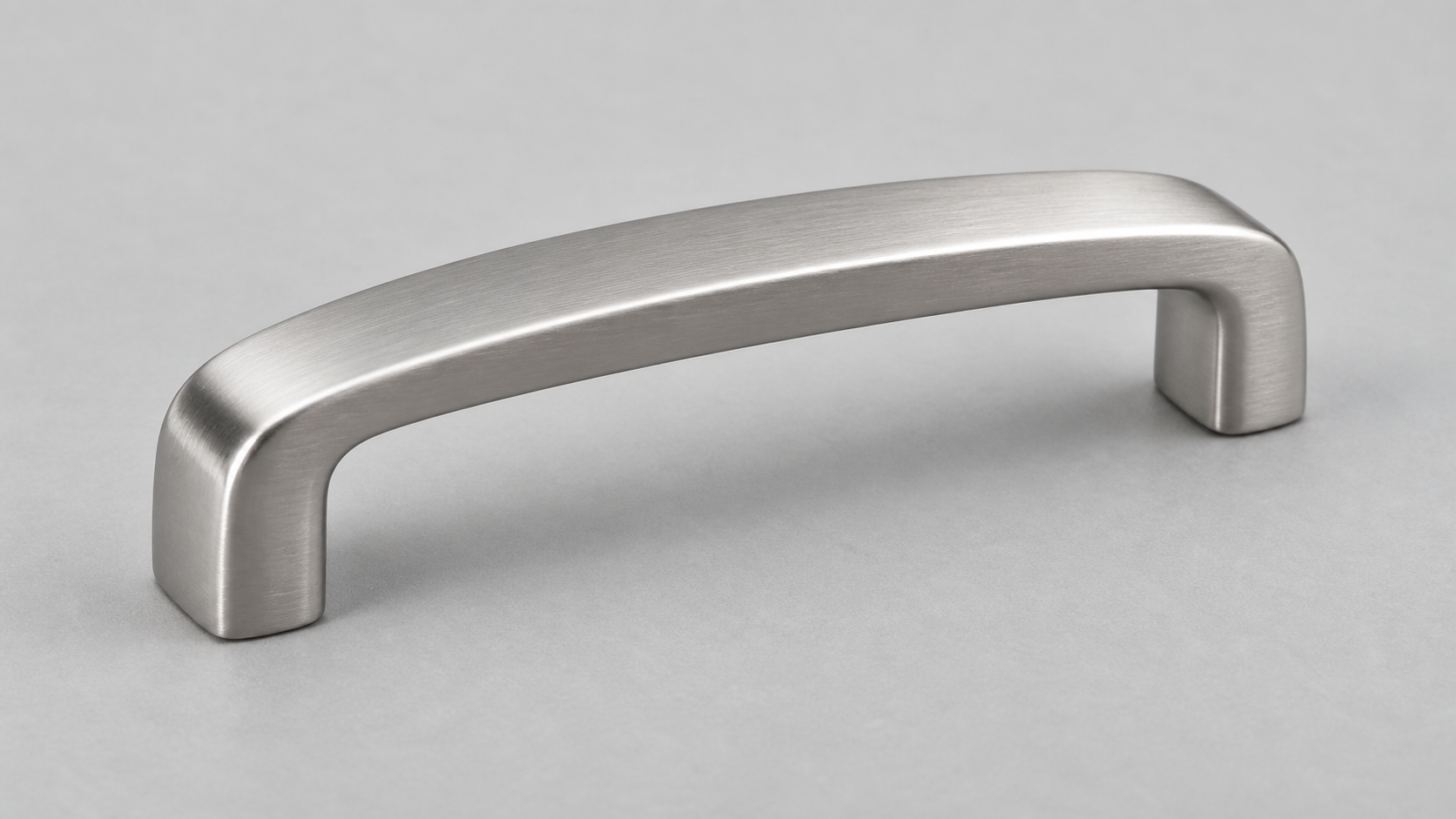
If you plate a brass component mainly to give it a silver-colored appearance, a stainless version is worth exploring. It may let you achieve an acceptable metal finish without that particular decorative coating. The finished appearance still needs approval on the actual part.
Start by separating two questions: why is the component made from brass, and why is its surface treated? The answers may point to a useful alternative, or show why a coating still has a job to do.
Find out what the current finish provides
Ask your product team or current supplier what the finish is meant to achieve. It may be about color and gloss, but it may also support a particular wear, friction, or protection requirement.
Write down the requirement in a sentence that everyone can understand. For example: “The visible face must match the other silver-colored hardware in this product.” That is more useful for an initial conversation than simply asking for “the same quality.”
If there is an existing finish specification, share it. A stainless proposal should not quietly remove a functional requirement just because the new material already looks metallic.
Stainless is a starting material, not one fixed appearance
A supplier can discuss different finishing routes, including polishing. CMG’s MIM design guidance identifies polishing as a way to improve the surface of its molded metal components. The appearance you receive depends on the agreed operations, not just the word “stainless” on the purchase order.
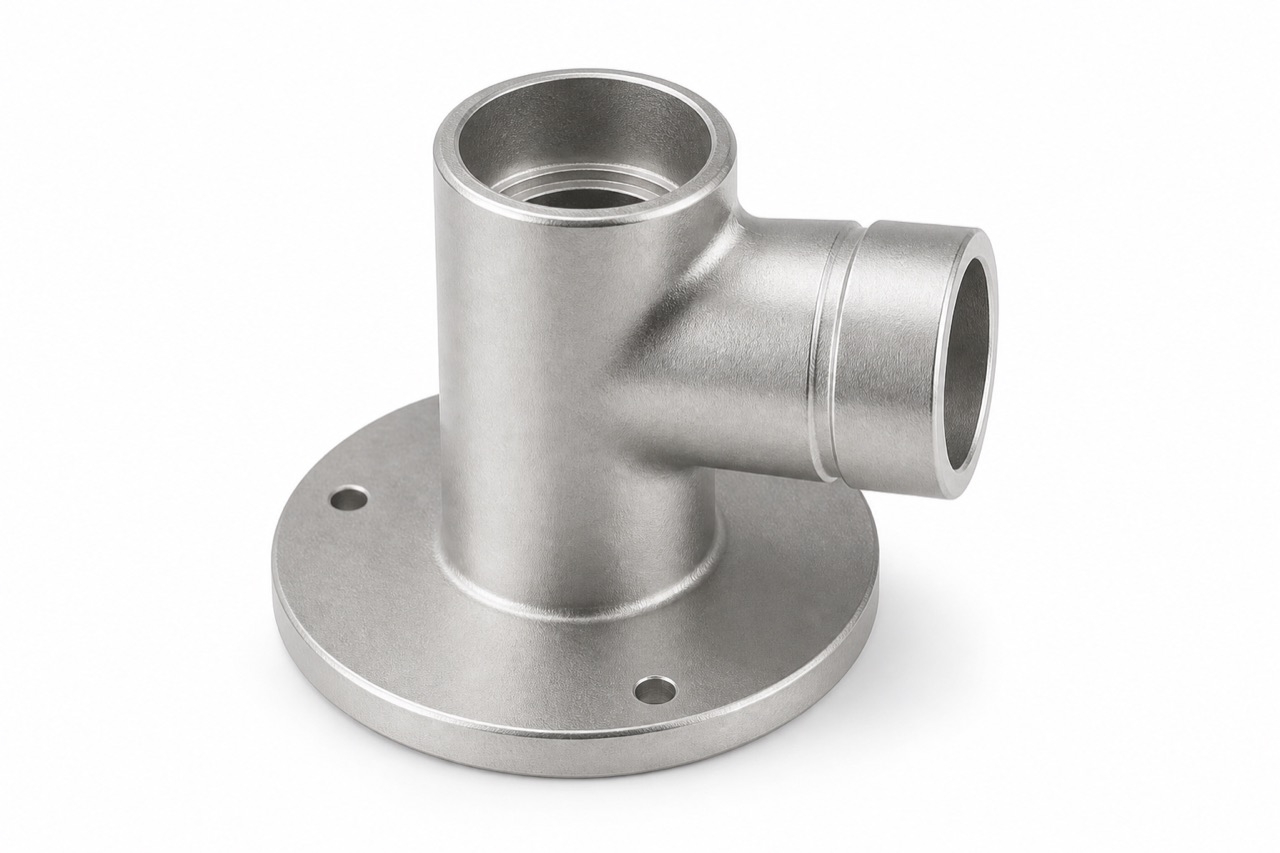
For small shaped parts, Metal Injection Molding (MIM) is one possible manufacturing route. It forms a metal-powder mixture in a mold, then processes it into metal. The shape-making process and the final cosmetic finish should be discussed separately.
Do not assume that a glossy product photograph represents the standard delivered surface. Ask which finishing steps produced that look and whether they are included in the price for your part.
Compare samples inside the product
A stainless handle can look attractive on a supplier’s desk and still appear different beside your existing trim. Evaluate the sample in the product where the customer will see it.
Use consistent lighting and an agreed reference sample. Check the visible faces, edges, and areas a person touches. Decide who has authority to approve the appearance so that purchasing, product design, and incoming inspection use the same reference.
If the proposed part needs to match a warm brass color, make that clear at the beginning. A naturally silver-colored stainless component will not provide that color match by itself. Any additional decorative treatment belongs in the specification and the quotation.
Keep the use environment in the discussion
Appearance is only one part of acceptance. Tell the supplier whether the component is used indoors or outdoors, what it contacts, and how it is cleaned. Ask which material and finished condition they propose for those circumstances.
If the part contacts water, chemicals, or a regulated product, include the applicable product requirements in the review. A pleasing finish is not a substitute for confirming suitability in service. Your existing approval process should determine what evidence is needed.
For a visible part that users handle, also consider the practical experience: does it feel comfortable, fit the surrounding hardware, and remain easy to clean according to the intended instructions? Record those observations during sample review.
Turn “looks right” into a repeatable purchasing requirement
Once your team prefers a stainless sample, record why it was accepted. Identify the surfaces that customers see, the areas they touch, and the faces hidden inside the product. These areas may need different levels of cosmetic attention. Asking every hidden surface to match the most visible face can add finishing work without improving the customer’s experience.
Keep a physical reference where practical. A phone photograph can help identify the sample, but lighting and screen settings can make the same metal appear brighter, darker, warmer, or cooler. Let the physical sample and agreed requirements guide the final decision.
Discuss the edges as well as the large surfaces. A part may look smooth in a picture but feel different when someone grips it or moves a finger across an opening. Check the component during normal handling and installation, then give the supplier specific feedback about any area that needs attention.
Packaging belongs in this conversation too. A finish that leaves the supplier in acceptable condition must arrive that way. Ask how the visible faces will be protected during transport and whether parts can rub against each other inside a carton. Include any agreed protective packaging in the delivered-cost comparison.
Before placing repeat orders, make sure purchasing and incoming inspection use the same finish description and approved reference. A clear agreement helps avoid the frustrating situation where one team accepts a surface while another expects a different gloss or texture. It also makes a later quotation easier to compare on equal terms.
Count only the finishing work you can really remove
The commercial opportunity becomes clearer once the appearance is agreed. Compare the current brass part and its complete finish with the proposed stainless part and all its required finishing operations.
If decorative plating disappears but polishing is added, include that polishing. If a coating must remain for a functional reason, keep it in the comparison. The useful result is the cost of the approved surface on a usable component.
For a first discussion, send LP MIM a photo of the current part, a reference for the desired appearance, its use environment, and your normal order quantity. Our bathroom hardware component overview provides context for one category of visible hardware.
Comments
Loading comments...