Sometimes the expensive part of a brass component is everything needed to turn it into an assembly. Someone orders the small pieces, checks them, keeps them in stock, joins them, and confirms that the result fits.
If those pieces always work together, ask whether one stainless component could perform the same functions. The potential saving may come from fewer parts and fewer assembly steps, as well as the manufacturing route.
Metal Injection Molding (MIM) shapes metal powder and a temporary binder in a mold before processing it into metal. It can support part integration. A MIMA ferrule case study reports a reduction in assembly part count and bonded joints. The relevant question for your assembly is whether combining functions would simplify the finished product and its supply.
Start with parts that stay together
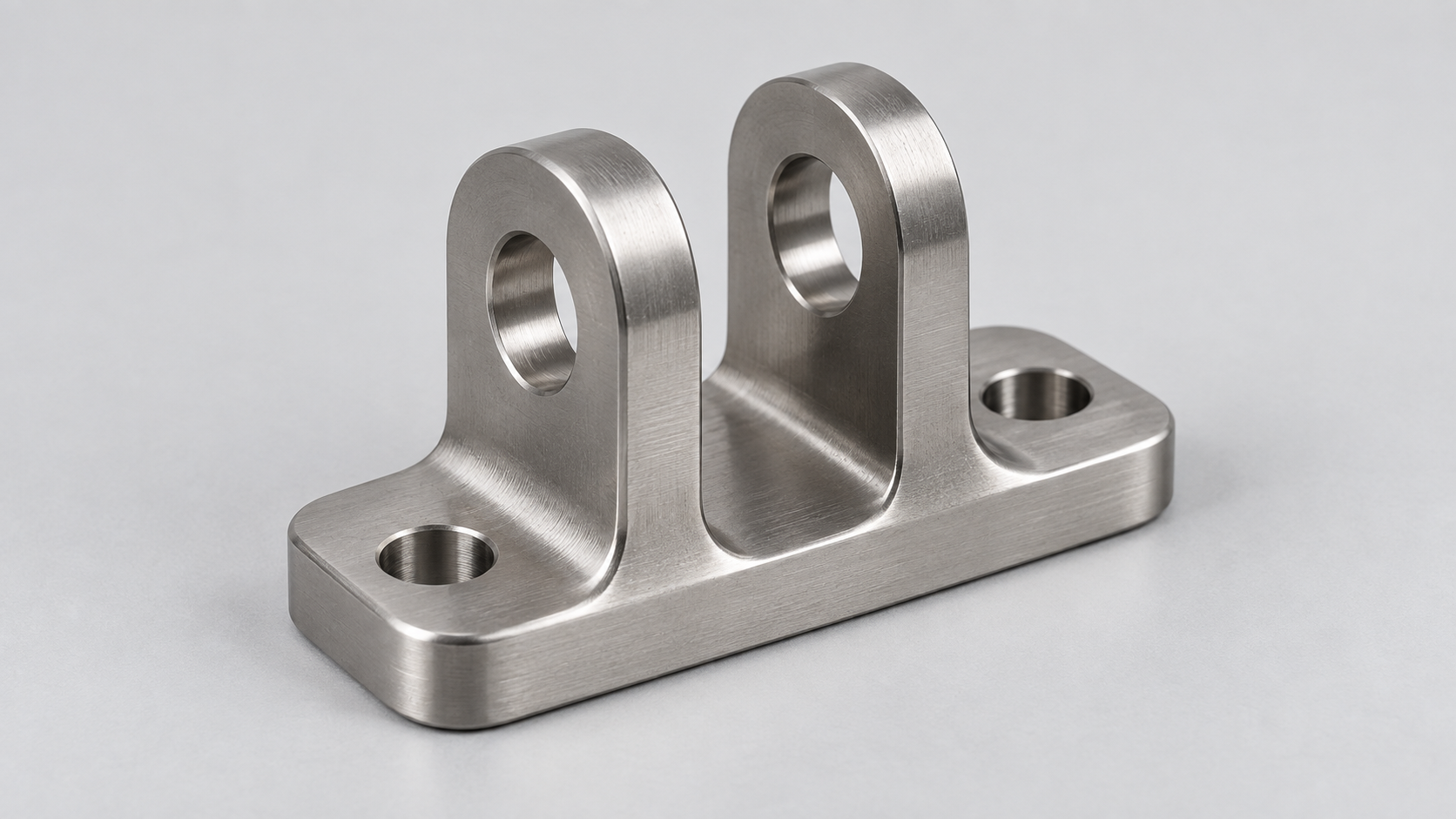
Look for a small assembly whose pieces remain fixed relative to each other during normal use. Perhaps a mounting base and two supports are purchased separately and then joined. A single shaped component might be an alternative worth assessing.
This is a concept for review, not an instruction to remove necessary joints. First establish why the separate pieces exist. They may allow installation, adjustment, replacement, or the use of different materials. Those reasons matter more than reducing the number on a parts list.
Photograph the assembly both together and apart. Explain what each piece contributes and whether anyone needs to remove it later. The supplier can then discuss integration without guessing how the product is used.
Follow the assembly through purchasing
Write down the steps between placing the order and receiving a usable assembly. Keep the list practical: order the base, order the supports, receive the fasteners, join the parts, inspect, and pack.
Next to each step, note who does it. You may discover that the component supplier’s quotation excludes work done by your own team. That work belongs in the comparison too.
If a one-piece proposal removes an operation, ask whether it also removes a purchased item or only moves the work to another supplier. Moving a cost can still be useful, but it should not be counted as a cost disappearing.
Keep useful separation
A replaceable wear piece may be cheap to service precisely because it is separate. Integrating it could mean replacing a larger, more expensive component when that small area wears out.
Likewise, an adjustment screw, moving pin, or seal usually has a reason to remain distinct. A single metal body cannot replace the movement or flexibility those items provide merely by resembling the original assembly.
Ask your service or assembly team to review the concept early. Their question may be as simple as “How do we fit this inside the housing now?” Finding that issue on a sketch is better than discovering it after ordering samples.
Request an assembly-level comparison
The new quotation should describe the ready-to-use result. Compare that with the current assembled cost, including the work you perform internally. Keep any new tooling expense visible and separate.
Also ask what remains outside the integrated part: finishing, fasteners, testing, packaging, or installation work. A short before-and-after list makes omissions easier to spot than two headline prices.
For the first samples, check the full assembly process. Can an operator install the new component easily? Does it locate correctly? Can the product still be repaired in the intended way? Record the answers using the actual product and intended use.
Check what happens when one component becomes unavailable
A small assembly can depend on several deliveries arriving together. If one spacer or support is missing, the remaining pieces may sit in stock without becoming a usable product. When evaluating a single-piece alternative, include this coordination work in the discussion, alongside the direct assembly time.
Ask purchasing how many items must be ordered and received today. Ask the assembly team which pieces are easy to confuse or fit in the wrong direction. A well-chosen integrated design may simplify those tasks. Record the actual work involved rather than assigning a guessed saving to every item removed from the parts list.
There is another side to the decision. An integrated component may depend on a dedicated mold and a particular supplier’s process. Ask how repeat supply, tool maintenance, spare capacity, and replacement tooling would be managed. Fewer purchased pieces can make daily operations simpler while still requiring a clear supply plan.
Review repair and replacement in the same way. If a small exposed feature is damaged during use, will the customer replace the whole component? Can service staff still reach the remaining fasteners? The proposed design should work throughout the product’s life, not only during initial assembly.
For the first trial, give one operator the existing assembly and the proposed replacement, together with the normal surrounding parts. Record the steps required to install each one and any extra tools or handling. That practical comparison makes the potential benefit visible and gives the supplier specific feedback before the design is finalized.
Choose one assembly to investigate
The best starting point is a small, familiar assembly with an obvious inconvenience: several items to stock, repetitive joining work, or frequent difficulty putting the pieces together. You already know its current workflow, so a proposal will be easier to judge.
Our cost reduction overview explains the broader commercial discussion. To explore integration, send LP MIM photos of the complete assembly, the separate pieces, and the expected purchasing quantities. Ask what could become one part while preserving installation, function, and serviceability.
Comments
Loading comments...