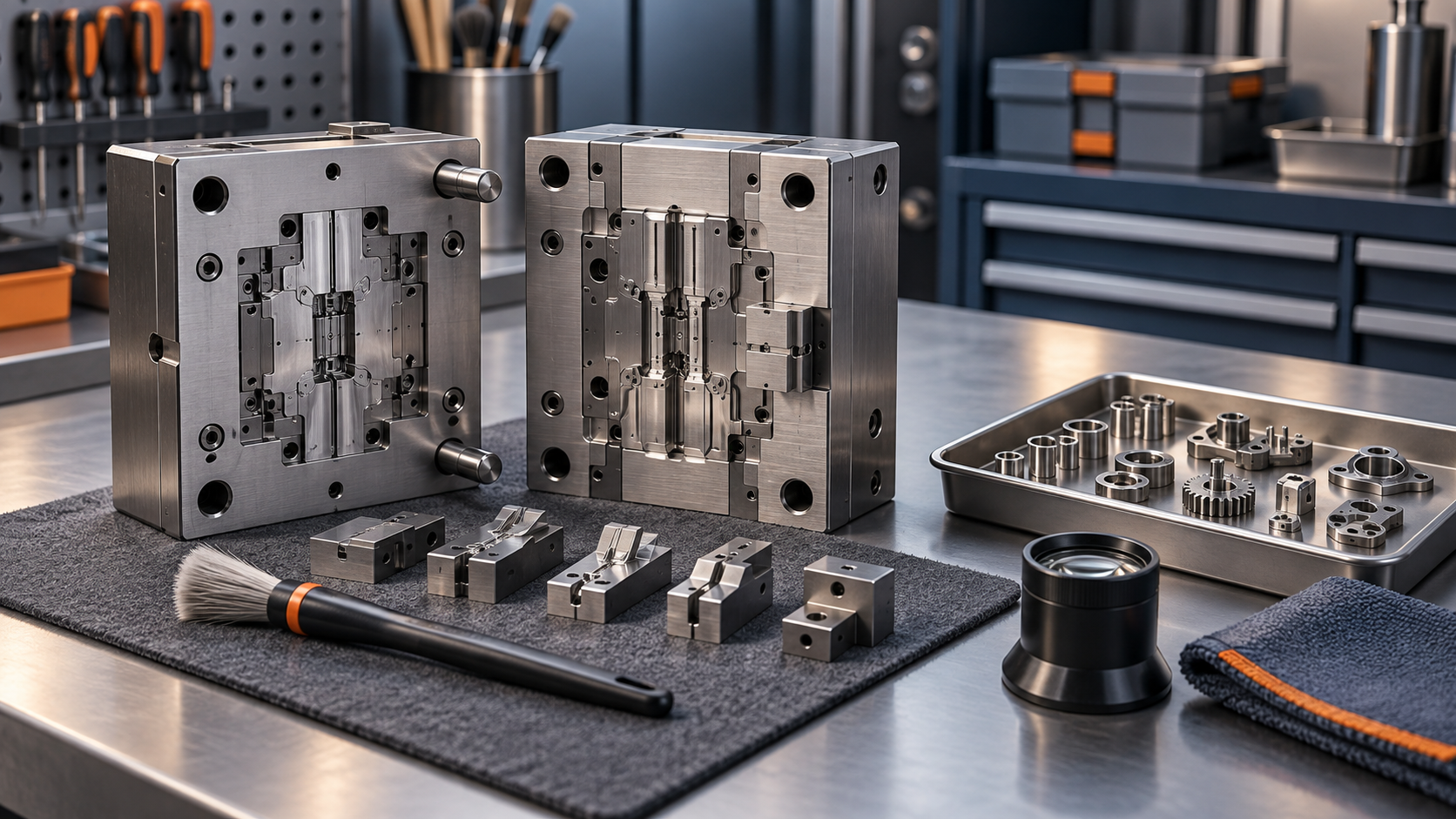
A mold quotation is easier to assess when it explains what happens after the first samples. For a buyer considering a stainless alternative to brass, the mold is part of the repeat-supply arrangement. Ask how it will be identified, maintained, stored, and reviewed as the product continues to sell.
The purpose is practical continuity. A competitive component price has limited value if a future buyer cannot establish which tool makes the approved part or who should respond when that tool needs attention. These questions belong beside the initial charge, before purchasing records become scattered across several conversations.
Understand what the tooling charge covers
Metal Injection Molding (MIM) shapes a metal-powder mixture in a mold before further processing produces a metal component. MPIF describes this mold-based route. The commercial tooling package for your part may include more than the mold itself, so ask the supplier to list its deliverables.
Request clear descriptions of any fixtures, checking equipment, initial trials, or sample work included. Separate items supplied for your component from general production equipment. Avoid assuming that a single charge called tooling includes everything required for future orders, revisions, or maintenance.
Keep the quotation reference with the approved part revision. If the package is changed during development, ask for an updated list. A later colleague should be able to connect the invoice to identifiable equipment and agreed work without reconstructing the project from memory.
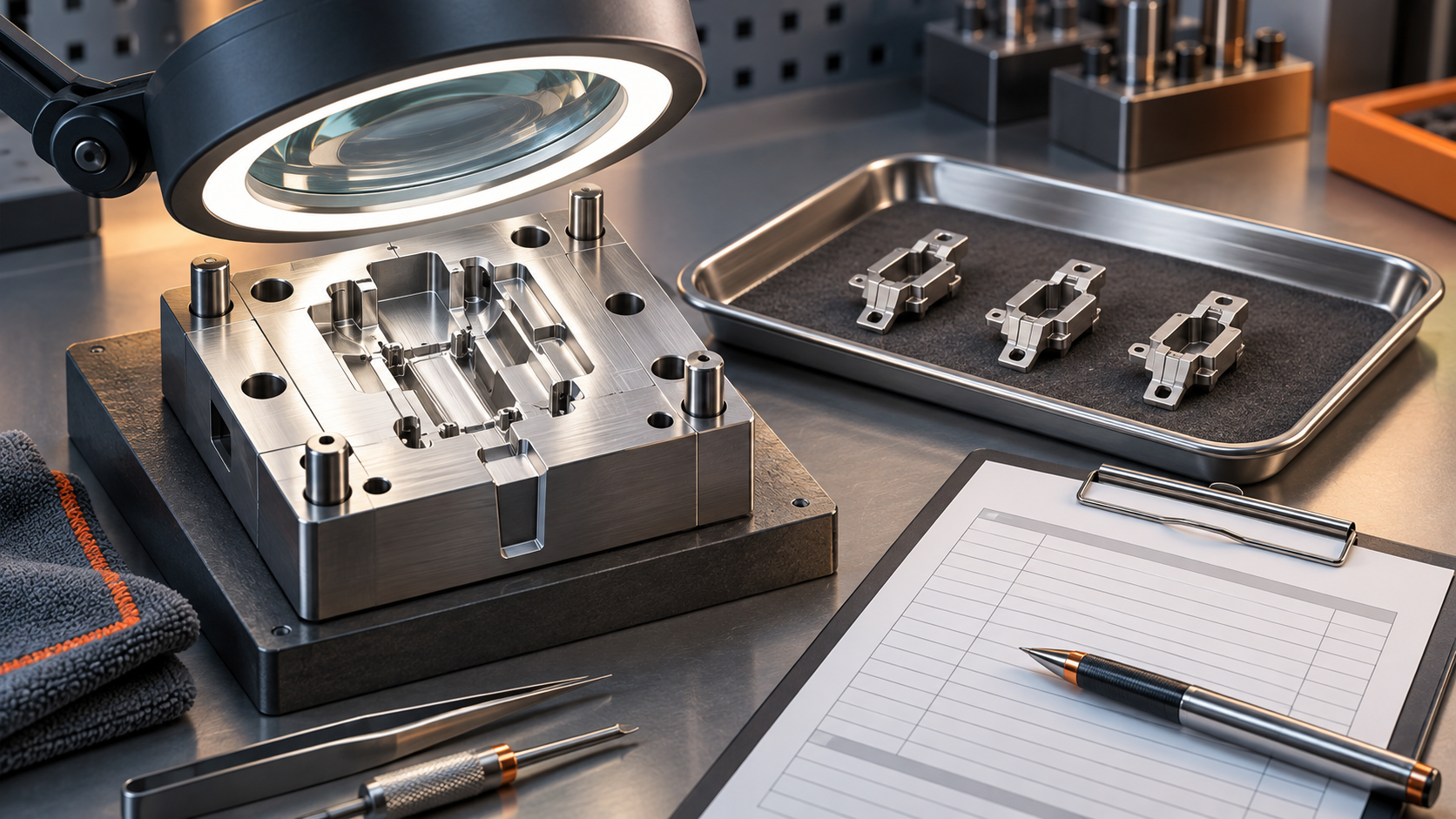
AI-generated conceptual editorial illustration; not a photograph of an actual product, factory or verified production result.
Give the tool an identity
Ask how the supplier identifies the mold and links it to your component. Record the tool reference, the part numbers it supports, and the current approved revision. If several related parts share equipment, make that relationship explicit rather than assuming each invoice represents a separate production route.
Agree which person or team maintains this information. Purchasing needs enough visibility to place the right order; production needs the controlled specification. A photograph can support identification, but it should accompany the reference record instead of becoming the only evidence of what exists.
This is also a useful point to distinguish an original tool from later replacements or modified versions. If the supplier changes the tool reference, ask how earlier records will remain connected. Consistent identification makes future discussions more precise.
Make routine care a defined responsibility
Ask the supplier to explain how routine maintenance is organized for the proposed arrangement. Which work is included in normal part pricing? Which work might require a separate quotation? Who tells you when attention is needed, and what information will accompany that notice?
Do not request a universal life promise based only on another component's experience. Tool condition and maintenance needs must be assessed for the actual design and use. Have the supplier explain any stated life estimate, its assumptions, and what would trigger a review.
The useful output is a communication plan. You should know how a maintenance issue becomes visible, who evaluates the commercial effect, and how any interruption is reflected in delivery commitments. A vague assurance that the tool will be looked after leaves those decisions unresolved.
Connect maintenance to the finished component
The mold is one part of the supply route. CMG's design guidance describes additional operations after shaping. If your component also needs finishing or machining, ask whether associated fixtures or equipment require separate continuity arrangements.
When a repair or replacement could affect the approved part, your product and quality teams should determine the necessary checks. Record what evidence the supplier will provide before routine deliveries resume. Avoid treating maintenance as automatic permission to change material, appearance, or agreed product requirements.
Keep the discussion proportional. Ordinary care and a substantial modification may need different responses. The objective is to preserve a clear connection between the approved component and the equipment used to make it, without turning every maintenance activity into a new development project.
Plan for quiet periods and future demand
A product may stop ordering for a season and restart later. Ask how inactive tooling is stored, how its condition is checked before reuse, and how much notice a restart requires. Discuss any storage charge or review point while the commercial arrangement is being established.
Also identify the expected product support period. Production orders and spare-part orders can follow different patterns. Give the supplier a realistic picture of both rather than assuming the original launch forecast covers every future need.
If demand grows, ask how the existing arrangement would be reviewed. Additional equipment may involve fresh cost and qualification work. A forecast of higher sales is useful planning information, but it should not be confused with a confirmed production-capacity commitment.
Keep commercial terms accessible
Record agreed ownership, storage, access, maintenance, and replacement responsibilities in the purchasing agreement used by your business. Ask the appropriate commercial colleagues to resolve unclear terms before commitment. Paying an invoice alone should not be used to infer arrangements that were never discussed.
Our quotation comparison guide covers the wider buying decision, while the tooling payback framework addresses initial economics. The next step is making that investment usable throughout repeat supply.
For a focused discussion, send LP MIM your component and expected ordering pattern. Include the intended product life, likely quiet periods, and support needs. Ask for a tooling proposal that explains both the first deliverable and the responsibilities that follow it.
Comments
Loading comments...