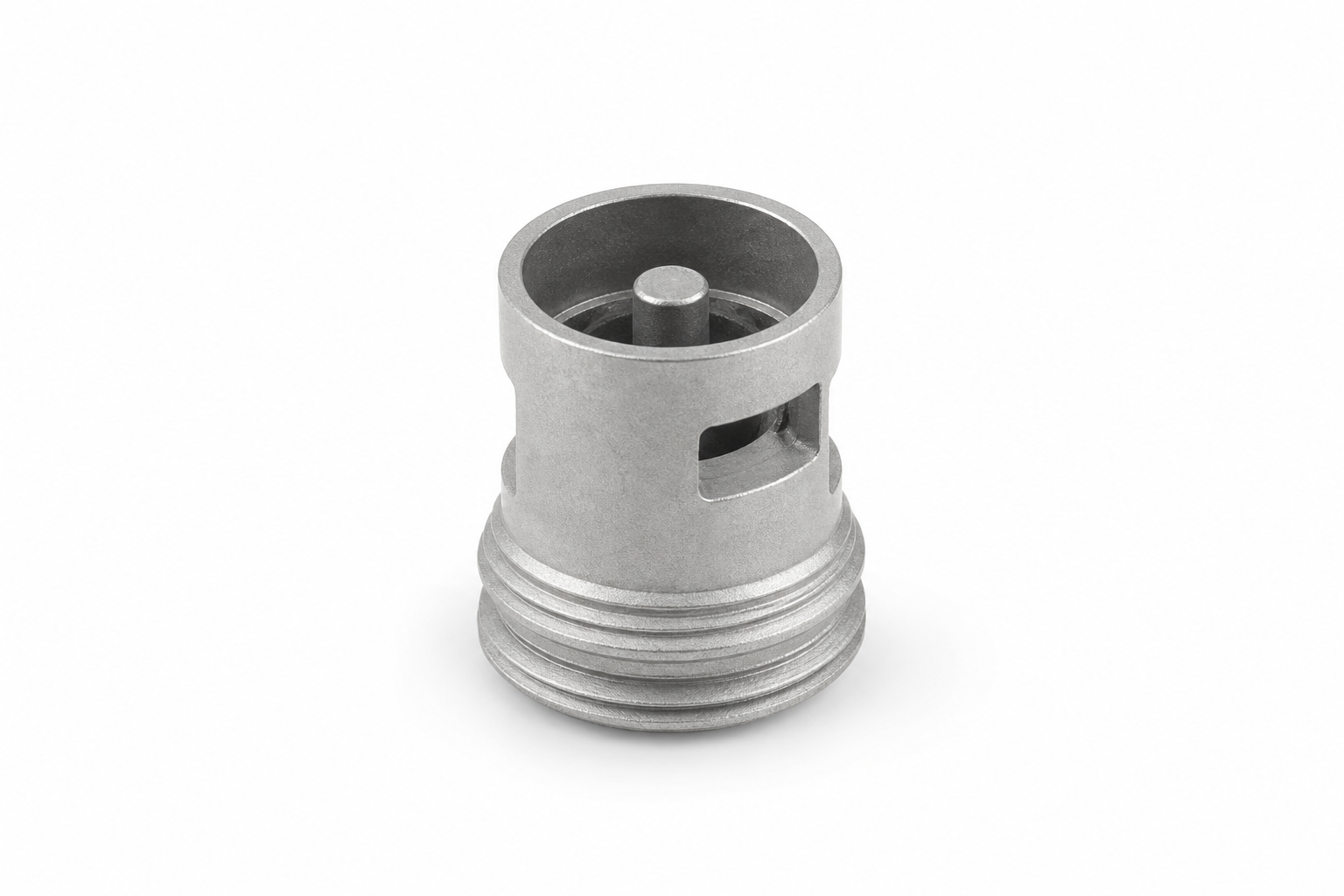
A stainless prototype fits inside your product. That is a useful result, but the next purchasing decision depends on what the sample represents. Before approving a replacement for a brass part, ask how the sample was made and which questions the trial was intended to answer.
An early model may help confirm the outline or assembly sequence. A later sample may represent the planned manufacturing route, material, and finish. Both can be valuable. Problems arise when conclusions from one stage are treated as approval of a different stage.
Give every sample a clear purpose
Write the question before ordering the sample. Perhaps you need to check whether a curved arm clears the surrounding housing, whether a mounting feature can be reached during assembly, or whether the visible surface suits the product. These are distinct questions and may need different evidence.
Agree what you expect to receive and what the supplier expects you to review. A shape model is not automatically suitable for functional loading. A sample offered for appearance comparison should not quietly become the reference for every material property.
Label each sample with an identifier and keep the supplier's description beside it. Include the design revision and any known differences from the proposed final component. That short record makes later discussions much easier.
Ask how the sample relates to the intended route
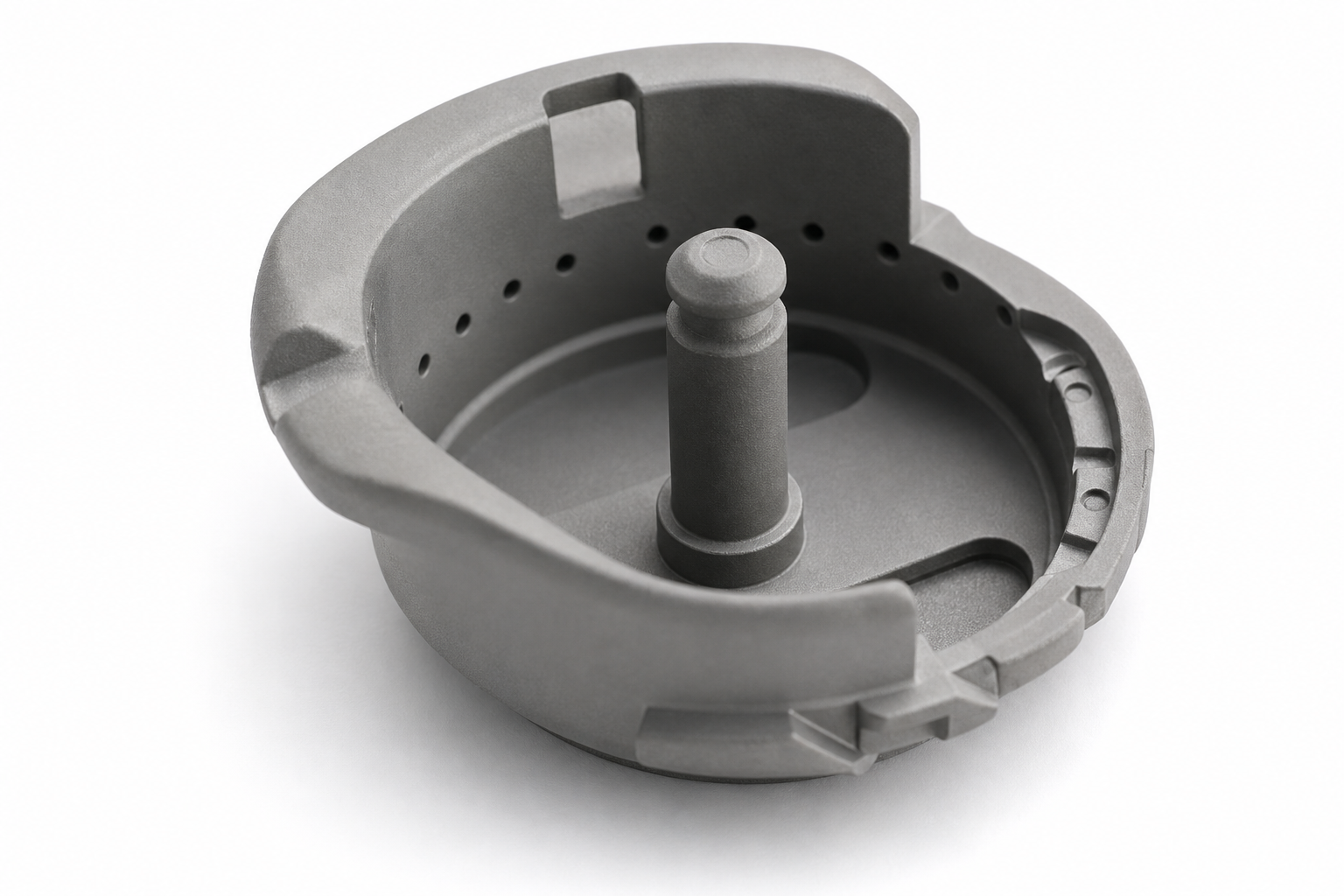
Metal Injection Molding (MIM) shapes metal powder mixed with a temporary binder, then processes it into metal. The BASF process overview describes the manufacturing sequence. A stainless sample made by a different route does not, by itself, demonstrate the outcome of that sequence on your design.
Ask whether the sample came from the proposed tooling and used the intended material and finishing steps. If it did not, record the difference and its reason. The supplier may be helping you answer an early question quickly, rather than offering a production approval sample.
MPIF's MIM overview explains the process at a general level. Your acceptance still needs evidence from the part and route being proposed, not an assumption that every metal sample is equivalent.
Separate fit from the rest of performance
Fit is a concrete observation: the sample can be installed in the assembly tested. Record which surrounding parts were used and whether anyone modified them to make installation possible. A successful trial with one product version may leave another version untested.
Then list the questions that fit alone cannot answer. These might include material identity, behavior during repeated operation, the agreed surface condition, or performance under the product's actual use conditions. Let the responsible product and quality teams set the checks appropriate to the application.
For a hypothetical small housing, a machined prototype could help reveal whether a side feature obstructs an assembly tool. That finding is useful even before production tooling exists. It does not establish the quality of a future molded batch or prove service life.
Record the result in plain language
Use a short table or review sheet with one line per question. State the sample identifier, the check performed, the result, and the next decision. Avoid a single unqualified note saying that the sample is approved when only appearance or fit has been assessed.
A helpful result might say that installation clearance was acceptable in a named assembly, while the final finish remains open. This tells the supplier what can move forward and what still needs work. It also protects the value of the test by keeping its limits clear.
Photographs support the record, especially when showing contact with nearby parts or access for installation. They should accompany the observation rather than stand in for an agreed test. Keep unsuccessful trials too; they explain why a later revision exists.
Keep revisions from becoming mixed samples
When the supplier changes a feature, request an updated identifier and a short change description. Store old and new samples separately. Similar-looking parts are easy to confuse when different colleagues review them on different days.
Decide which checks need repeating after the change. A small shape alteration may affect assembly access, while a finishing change may affect the surface review. Have the responsible team determine the scope instead of carrying every previous approval forward automatically.
If the sample differs from the quotation, ask for the commercial proposal to be updated before committing to production. A manually finished trial piece can be useful, but its treatment must be reconciled with the repeat-order price and intended delivery condition.
Request the next sample for the next decision
At the end of the review, identify the remaining uncertainty and choose the next step accordingly. You may need a revised shape sample, samples from production tooling, a confirmed finish, or application-specific evidence. The number of stages should follow the questions that remain.
Our repeat-order checklist explains the handover after the required approvals are complete. Before that handover, keep the distinction between a useful prototype and an approved production reference visible.
If you already have a brass sample and a proposed stainless prototype, share the comparison with LP MIM. Explain what the prototype has demonstrated and what your team still needs to confirm. A good next proposal should answer the next question clearly, without overstating what the first sample proved.
Comments
Loading comments...