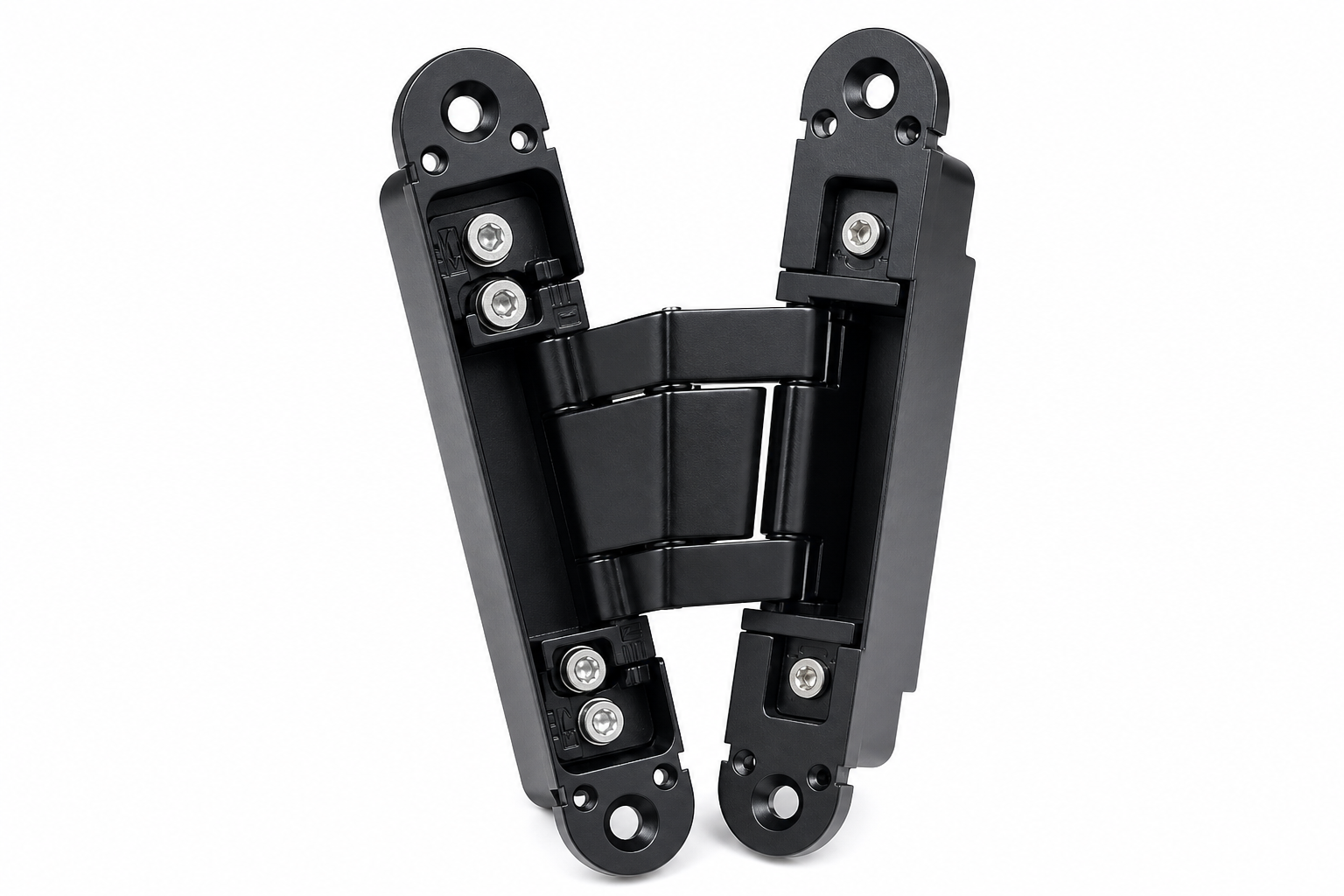
Combining several brass components into one stainless part can simplify assembly. Before choosing that option, ask the person who repairs the product to review it. A convenient factory assembly can become an inconvenient service replacement if the design removes access or combines a wear item with a larger body.
The buying decision should cover both stages. Compare how the product is built today and how it will be maintained later. This helps your team preserve useful separation while exploring where an integrated shape could reduce work.
Metal Injection Molding (MIM) forms a molded metal-powder mixture into a metal component. MIMA describes its ability to produce complex features. That capability creates design options; it does not decide which parts should stay separate in your product.
Ask why the separate piece exists
Start with an exploded photograph or a simple sketch. Identify which pieces stay fixed, which move, and which are removed during normal service. Do not assume that a small fastener or spacer is unnecessary because it contributes little to the final outline.
A joint may provide an installation route, allow adjustment, or make a worn component replaceable. Another may exist only because the current manufacturing method makes a single shape difficult. These are different reasons and lead to different design choices.
Ask the service team to describe the last typical repair. Which item was replaced? Which surrounding parts were disturbed? What tools were needed? Use that workflow as a reference when reviewing the proposed stainless design.
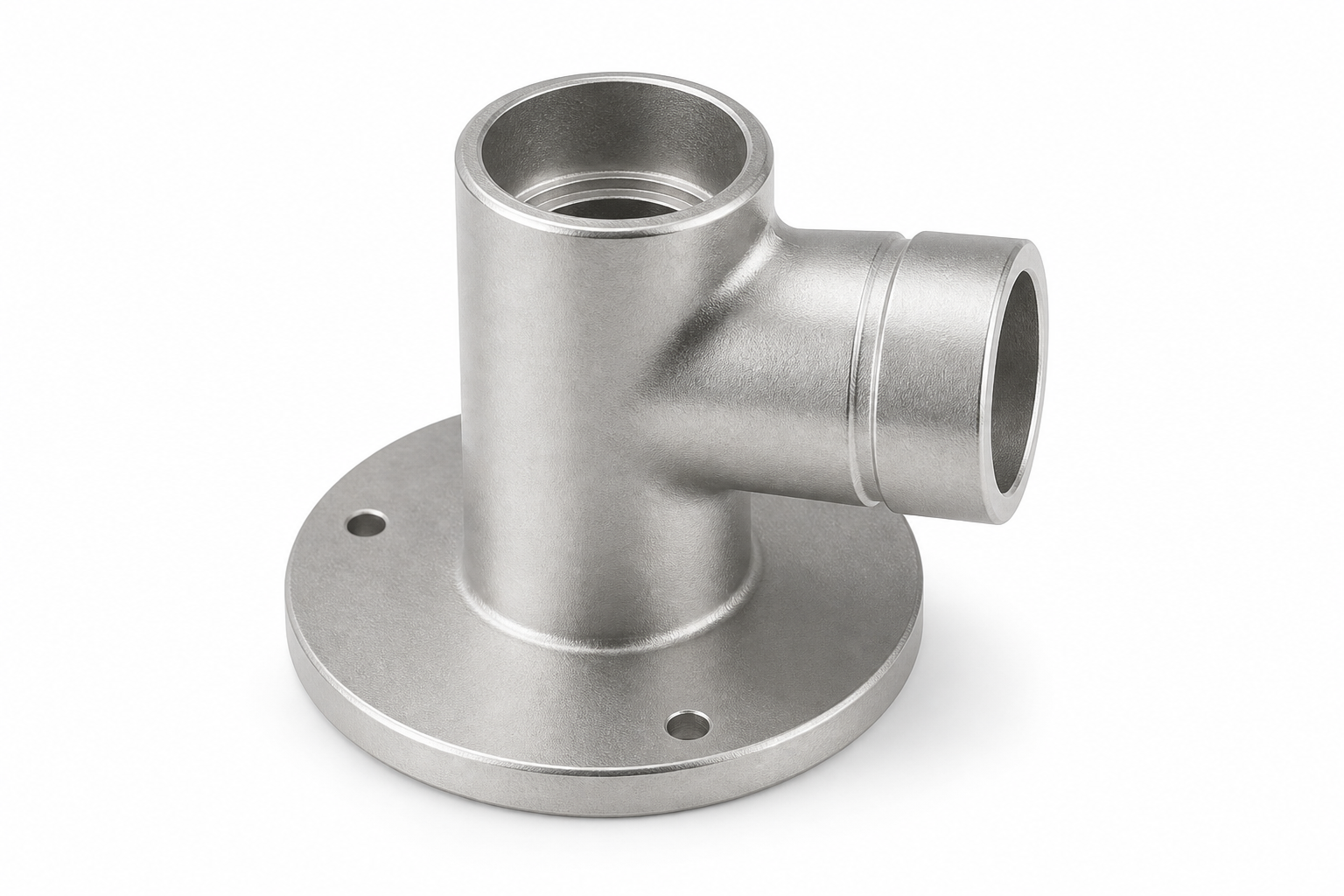
Compare the replacement unit
For each common service event, write down what the customer replaces today. Then identify what they would replace with the integrated design. The comparison may reveal a useful simplification, or show that a small disposable item has become part of an expensive permanent body.
For example, imagine a bracket with a separate piece that is intentionally replaced after wear. Forming both together might remove an assembly step, but it would also change the replacement unit. That is a hypothetical tradeoff to assess, not evidence that integration is always better or worse.
Ask whether the separate wear item can remain while other fixed features are combined. An effective proposal does not need the lowest possible component count. It needs a sensible balance of purchasing, assembly, use, and repair.
Review access with the product assembled
A loose sample on a desk can hide a service problem. Put the proposed shape into the surrounding assembly and follow the intended removal sequence. Check whether a hand or tool can reach the relevant fastener and whether the part can leave the housing without unnecessary dismantling.
Consider access from the position in which the product is actually installed. Space available during factory assembly may be unavailable after installation. Have the people who know that setting review the proposal before the design is frozen.
Record any special tools or extra steps introduced by the change. They may be acceptable, but they belong in the decision. Avoid relying on a service instruction that assumes access the finished product does not provide.
Make the spare-part plan visible
Purchasing should identify which part numbers remain, which are replaced, and which versions must be supported. If older products remain in use, establish whether the new component is interchangeable with them or only suitable for the new product revision.
Do not label two parts interchangeable based on appearance alone. Have the responsible product team approve the relevant fit and functional checks. Keep the applicability information with the spare-part listing so a future order does not depend on someone remembering the change.
Also discuss the expected service period and demand pattern with the supplier. Spare orders may be smaller or less regular than production orders. Ask how those quantities would be supported rather than assuming the launch quotation covers every future release.
Include finishing and remaining operations
An integrated stainless component may still require additional work after shaping. CMG's design guidance describes the role of secondary operations. Ask which operations remain and whether they affect the way the component is assembled or serviced.
Compare the complete approved part, including the finish and any separate items retained for service. If one joining operation disappears but a different handling step appears, show both in the comparison. Use actual observations from your workflow where available.
Keep initial development and tooling charges separate from recurring costs. The commercial benefit should be understandable without assigning an invented saving to every removed fastener or part number.
Try a repair before committing to the change
Plan a practical trial using the intended product, surrounding parts, and normal service tools. Ask the reviewer to install and remove the proposed component, then describe what changed from the current arrangement. Capture awkward steps as well as successful ones.
If the proposal is only an early prototype, record that limitation. A repair trial can answer access questions while material and production validation remain open. Do not let an encouraging demonstration substitute for the checks required before release.
Our introduction to replacing a small assembly covers the initial integration opportunity. The service review adds a different question: will the simplified assembly also remain practical throughout the product's life?
To explore that balance, send LP MIM the assembly and service sequence. Identify replaceable items, access restrictions, existing spare parts, and normal purchasing quantities. This gives the discussion a useful objective: combine functions where it helps, while preserving the repairs your customers need.
Comments
Loading comments...