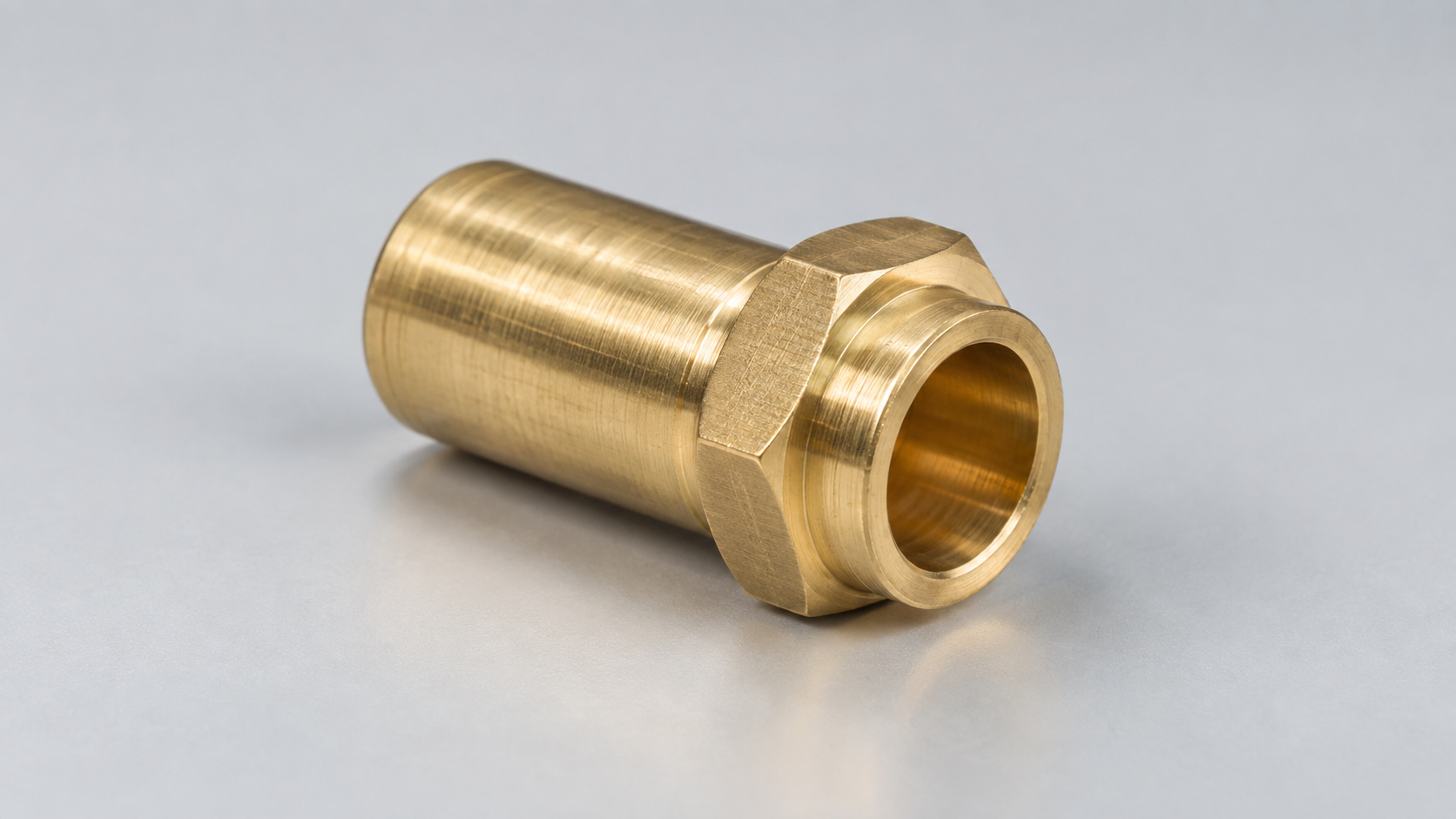
You have a brass component in your hand but no current CAD file. That does not prevent a first conversation about a stainless alternative. A sample and clear photos can help explain the part while the missing information is identified.
They are a starting point, not a complete manufacturing specification. A photograph cannot establish the material grade, every hidden feature, or how closely the replacement must fit. The first review should make those gaps visible.
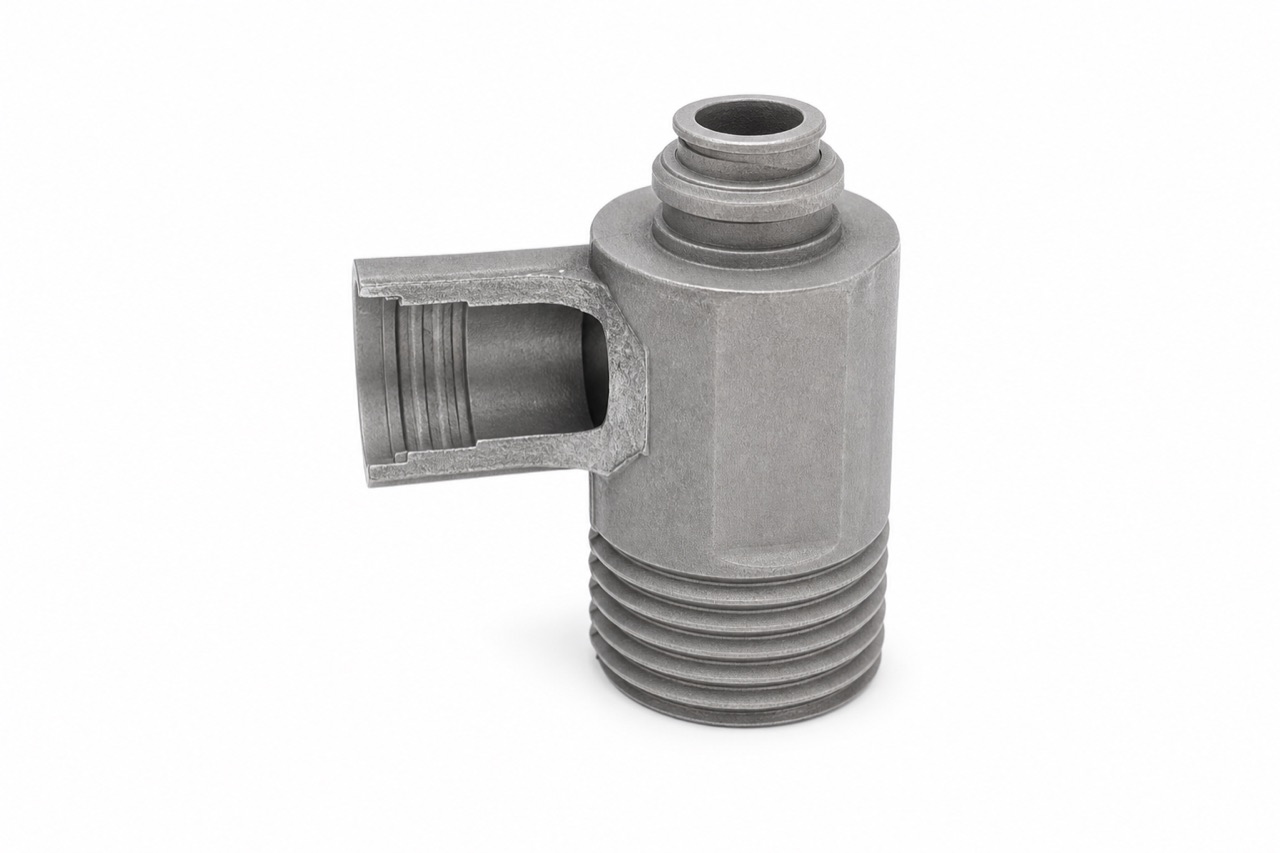
Show the part, then show its job
Take clear photos from several directions on an uncluttered background. Include a view of any openings and an approximate overall size. If the part belongs to an assembly, add a picture showing where it fits.
Explain its job in ordinary words. Does it hold a handle, locate a moving piece, connect two items, or form part of a housing? Say which other parts touch it and whether anything moves relative to it.
There is no need to label every feature with technical terminology. A note such as “this face sits against the bracket” or “the pin passes through this opening” can make the first discussion much clearer.
Identify which sample represents the requirement
An old component may have wear, damage, or modifications. Tell the supplier whether the sample is new, used, or simply the best available reference. Do not let a worn opening quietly become the intended size of the replacement.
If you have an approved unused sample, identify it separately. Include any inspection sheet, old drawing, purchase specification, or material record you already possess. These documents may answer questions that photographs cannot.
You do not need to guess missing information. Mark it as unknown and ask what must be confirmed. That gives the supplier a more reliable starting point than an approximate material name presented as a fact.
Add a short buying brief
The commercial context helps determine which production routes are worth assessing. Provide expected annual demand, typical order size, and whether the design is likely to change.
State the reason for considering stainless. Perhaps you want to reduce the complete component cost, simplify an assembly, or explore a different appearance. Choose the main problem first so the response can address it directly.
Mention requirements already known to your team: where the product is used, what it contacts, the desired appearance, and any customer approval needed before changing material. These are inputs to the review, not details to postpone until after pricing.
Ask for an assessment before a firm quotation
The first response should explain whether the idea deserves further work, which information is missing, and what the next stage would produce. Ask the supplier to distinguish a preliminary estimate from a firm quotation based on an agreed specification.
For a small complex component, Metal Injection Molding (MIM) may be one option. It shapes a metal-powder mixture in a mold before processing it into metal. MPIF’s process overview provides background if this is unfamiliar. A sample alone does not establish that MIM is the best route.
Before authorizing tooling, agree the drawing or specification that will govern production, the proposed material and finish, and the acceptance checks. Confirm who prepares each item and how you will approve it.
Build a reference pack that stays useful after the first call
Use one part number or temporary reference for the sample, photographs, and written notes. If you are comparing two versions, label them separately and explain which is currently purchased. Similar-looking components can have different connections or uses, and a supplier should not have to infer the correct version from a mixed folder.
A simple photo sequence works well: the complete part, the opposite side, the openings, and the component installed in its product. Include a scale reference without covering the feature you want to show. These pictures help explain the overall shape; accurate measurements can follow where they are needed.
Write a short list of questions you cannot answer yet. You may not know the original material grade, the finish specification, or whether an old drawing reflects the sample. Assign each gap to a next step, such as finding a purchase record, measuring a feature, or asking the supplier which check is appropriate. Unknown information becomes manageable when someone owns the follow-up.
If the supplier prepares a new drawing, review it against the part’s function before treating it as the production instruction. Confirm who owns the drawing, which version will be quoted, and who has authority to approve changes. Keep the sample identifier on that record.
This approach turns an informal enquiry into a usable project brief without demanding a complete design package on day one. It also reduces repeated explanations: each new person can see the same component, its purpose, the available evidence, and the questions still to resolve.
Make the first exchange easy to act on
Group the photos and existing documents under one part name or number. Add a short description with the approximate size, current material if known, purpose, demand, and desired improvement. Keep unknowns explicit.
This makes it easier to discuss one component without confusing it with another version or a similar-looking part. It also gives your purchasing and product teams a common reference as the discussion develops.
You can start with LP MIM’s part submission page. If a physical sample is needed, agree the sample arrangements with LP MIM before sending it. The first objective is a clear evaluation brief and an agreed next step.
Comments
Loading comments...