
A quotation expiry date is a prompt to reconfirm the offer, not a reason to rush an unfinished component decision. Before issuing an order for a stainless replacement, ask whether the price, specification, quantities, and delivery assumptions are still available. Keep the supplier's updated answer with the version your team actually approves.
This matters when a brass conversion takes several discussions. Samples, product reviews, and internal spending approval may continue after the first quotation was prepared. A price copied into a project spreadsheet can outlive the offer behind it. The purchasing decision should use a current proposal with its conditions visible.
Identify the offer you are asking to extend
Send the quotation reference and revision when requesting an update. Identify the component, drawing revision, material, finish, quantity, and any options you selected. A request to confirm the old price is ambiguous if several designs or supply scopes have been discussed since it was issued.
Check that the supplier has the same files as your team. If the design changed, list the changes rather than relying on an attachment with a familiar filename. Our post-quotation design-change guide explains that separate review. A validity extension should not silently become approval of a different component.
Ask whether the new response replaces the complete earlier quotation or changes only named items. Keep a clear controlling version. The next buyer should be able to determine the current offer without combining a price from one email with a delivery promise from another.
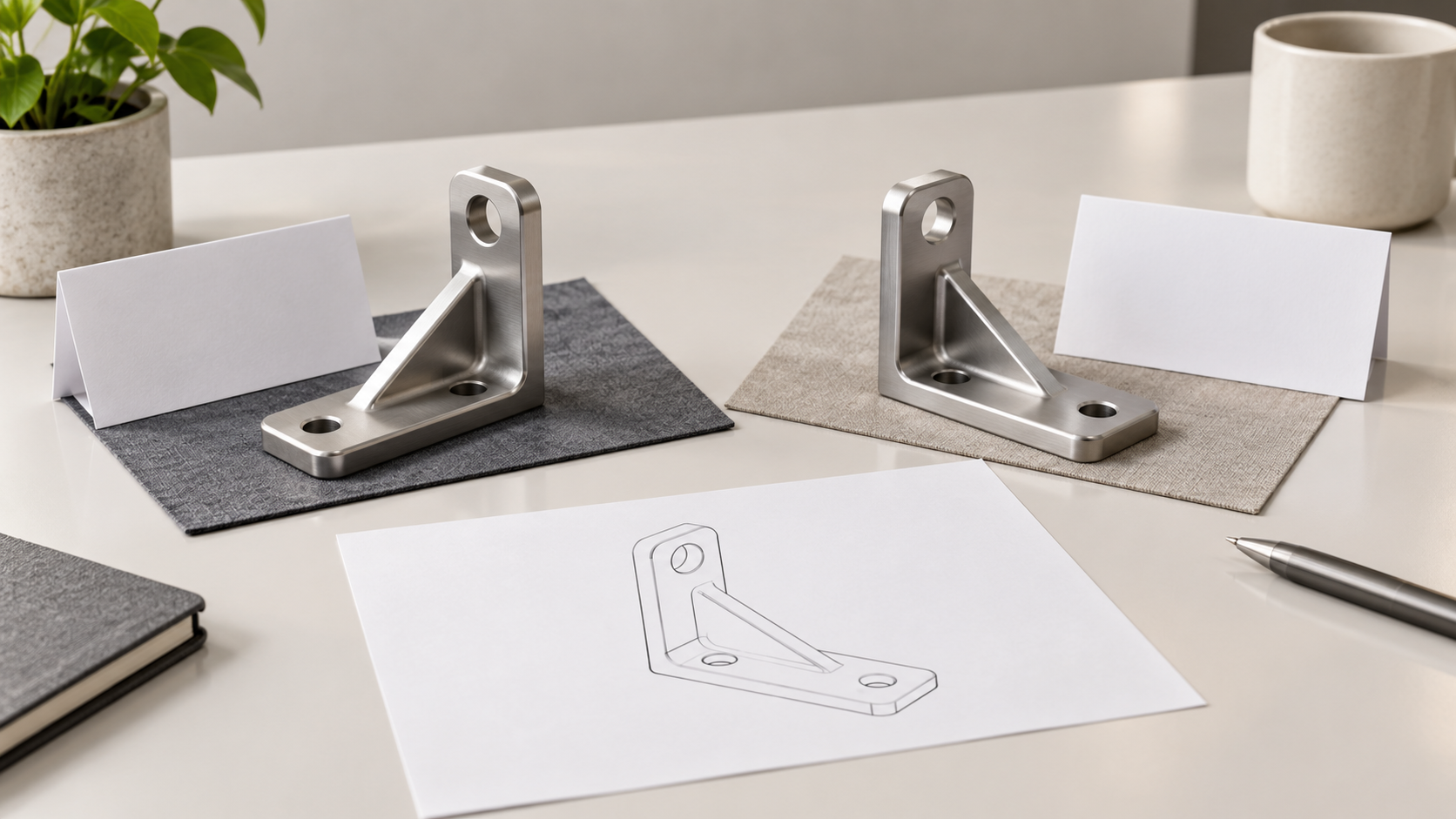
Conceptual illustration: two ribbed metal brackets on separate mats beside an outline drawing.
Separate price validity from delivery availability
A supplier may confirm a price while needing to revise the delivery date. Ask about both explicitly. Establish whether the quoted period starts after the order, payment, drawing acceptance, sample approval, or another agreed event. Also distinguish shipment readiness from arrival at the required destination.
Metal Injection Molding (MIM) shapes metal powder mixed with a temporary binder in a mold, then removes the binder and heats the powder into a solid metal part. BASF describes the sequence. For a new component, confirm which preparation and approval steps remain before repeat production can be planned.
Our first usable delivery guide connects those steps. When a quotation expires during evaluation, update the project dates as well as the commercial spreadsheet. Keeping the old schedule beside a refreshed price can create a purchasing plan that nobody has actually offered.
Ask what changed and what stayed the same
If the new price differs, request a clear explanation of the changed basis. Relevant questions may concern quantity, material, finishing, packaging, delivery scope, or currency. Avoid assuming the entire difference comes from metal prices, particularly when the proposed component or order pattern has also changed.
CMG's design guidance describes additional finishing operations. Use that context to check the complete finished scope. A revised offer that excludes an operation is a different proposal even if the headline unit price appears better.
Ask the supplier to identify unchanged items too. This can be a short statement tied to the earlier revision, provided your team can follow the references. The aim is a traceable comparison, not an unnecessarily long document for every routine price confirmation.
Keep currencies and assumptions explicit
Record the currency in which each price is offered and the currency used for your internal comparison. If your team converts the price for budgeting, retain the conversion date and basis. An internal conversion is a planning assumption, not a supplier commitment to that amount in another currency.
Where a supplier proposes an adjustment mechanism, ask which items it covers, when it applies, and what information supports a future change. Have the appropriate commercial owner review the arrangement. Do not describe a price as fixed if important elements can move under conditions that have not been recorded.
Similarly, distinguish a price for the current order from a projection for later purchases. Ask when repeat-order prices will be reconfirmed. A quotation for one quantity and delivery window should not become an assumed permanent price in a long-term savings calculation.
Review the decision without artificial urgency
Explain your actual approval timing to the supplier. Request an extension or updated offer if the technical or commercial review is incomplete. The answer may be an extension, a revised price, or a request to reconfirm later. Each is more useful than placing an order against assumptions to avoid an expiry date.
Do not use a price extension as a substitute for component approval. A sample may still need to pass the agreed product checks, and the final finish or delivered records may remain open. Identify who can authorize expenditure and what conditions must be satisfied before production release.
For a hypothetical small housing, an offer might remain commercially attractive while the assembly review is unfinished. Purchasing can retain the current comparison and agree a review date without suggesting that the part has been accepted. Keep commercial interest and technical release clearly recorded.
Close the update with one current record
Before ordering, collect the current quotation, agreed specification, accepted options, delivery basis, and relevant conditions into the purchasing record. Check that the approval refers to that package. Archive older offers as history so they remain useful without competing with the current instruction.
To prepare a current comparison, send LP MIM your component and required purchasing window. Include the quantity, finished condition, and any earlier quotation reference. A useful update makes clear what is being offered now and what still needs confirmation before the business relies on it.
Comments
Loading comments...