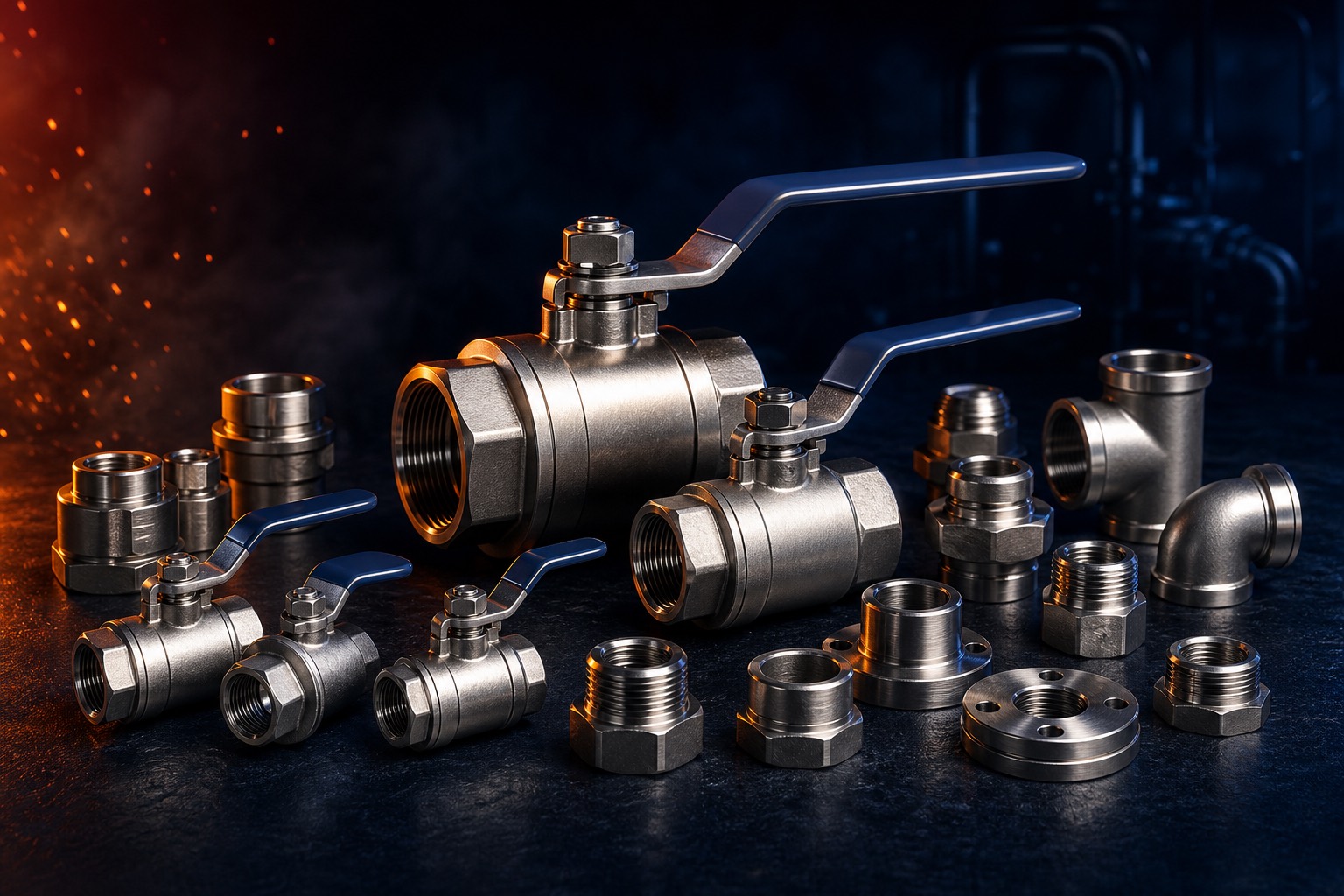
For a fire protection manufacturer reviewing brass valve bodies in 2026, the important question is whether a stainless alternative can deliver the required product performance at a better complete cost. The opportunity may come from the material, the shape of the component, or work that can be removed from production and assembly.
Brass has a long-established place in many component supply chains. A successful replacement starts by understanding why the current part works, then identifying what is expensive or inconvenient about supplying it. Specifying 304 stainless steel is the beginning of that review, rather than a complete answer on its own.
Start with the component you actually buy
Put the current valve body and its purchasing information together. Record its material if known, approximate size, normal order quantity, annual demand, and finished condition. Include the work your team performs after delivery, such as adding components, cleaning, or carrying out acceptance checks.
Ask where the cost pressure comes from. Is the part expensive because several features need separate machining operations? Does the current design combine pieces that must be joined? Does a finishing requirement add another supplier or another delivery stage? A clear starting problem helps you judge whether a replacement proposal addresses the right issue.
What 304 stainless changes in the discussion
Changing from brass to stainless changes the material being purchased and the manufacturing options available. It does not remove every cost associated with making the finished body. Stainless material costs also change, and the price of a completed component depends on much more than the price of metal by weight.
The proposed grade must suit the product’s use. Tell the supplier what the body contacts, where it operates, how it is cleaned, and which existing requirements the replacement must meet. Have the people responsible for product performance review those details before treating any grade as an approved substitute.
If a supplier proposes a different stainless grade, ask why. A useful explanation should connect the recommendation to the application and the evidence needed for acceptance. Buyers should receive a clear comparison, rather than a material name without context.
Why MIM may help with a complicated shape
Metal Injection Molding, usually shortened to MIM, is a way to make a metal component. It shapes fine metal powder mixed with a temporary binder in a mold, then removes the binder and processes the part with heat. The Metal Powder Industries Federation explains this sequence.
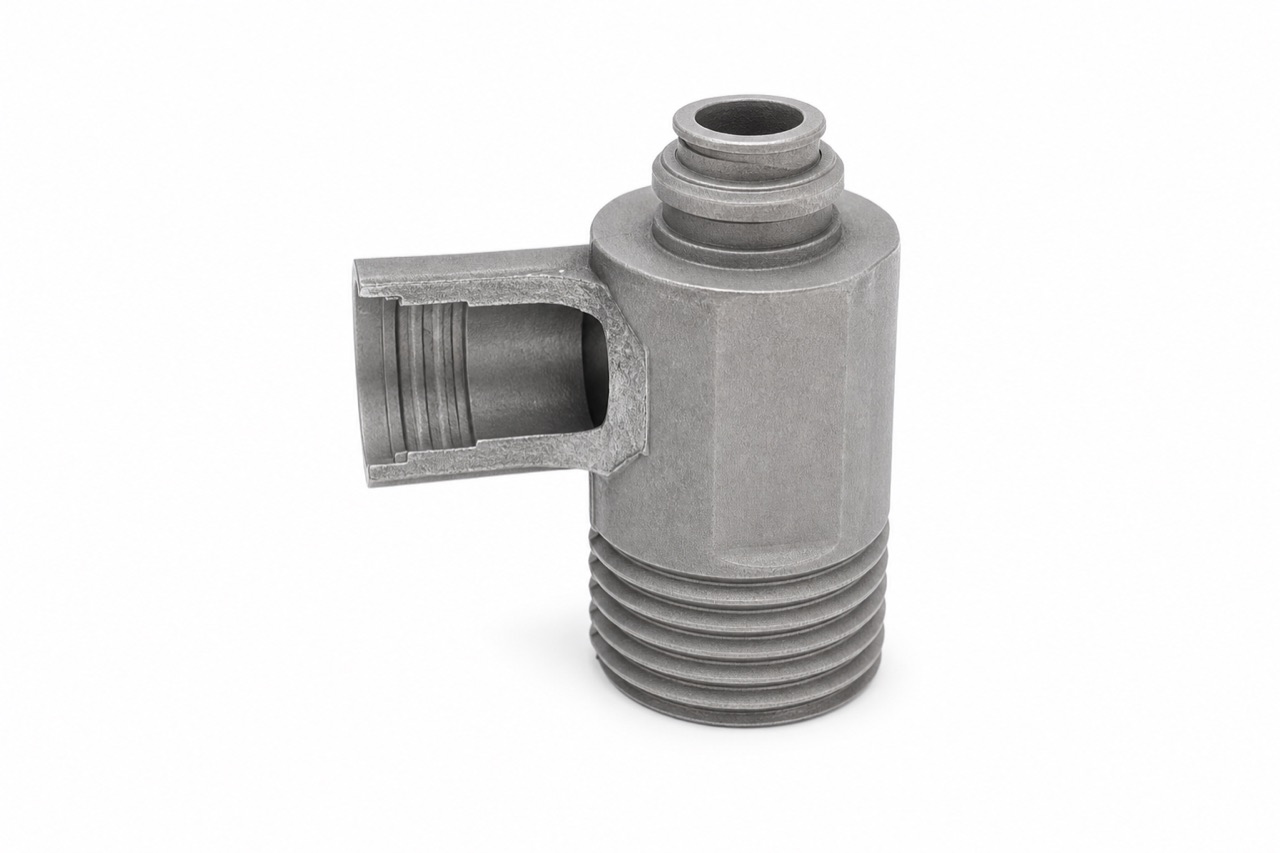
For a small, complex body, the attraction is that several useful features may be formed together. A supplier can review a shaped opening, a mounting feature, or an integrated support as part of the whole component. Some surfaces, holes, or threads may still need additional work afterward.
Ask the supplier to show which features would be formed together and which would be finished later. That marked proposal connects the shape to the quotation and helps your team understand where a commercial benefit could come from.
Compare finished bodies on the same basis
Compare the brass body you can use today with a stainless body delivered in an equivalent usable condition. Include required finishing, additional machining, inspection, packaging, and delivery. If the proposal changes assembly work performed in your factory, include that work in the comparison too.
Keep initial expenses separate. A dedicated mold, sample preparation, and product evaluation may be worthwhile, but their cost must be considered against realistic repeat orders. Use both the annual forecast and the quantity normally purchased in each delivery.
Ask what happens if demand grows more slowly than expected. A proposal that works only when you purchase several years of stock immediately may not suit the business. Our tooling payback guide explains how to structure the next stage of that comparison.
Preserve the job the body performs
A lower component price is useful only when the completed product meets its requirements. List the connections, surrounding parts, installation steps, and checks that depend on the current valve body. Identify what must remain unchanged and where the supplier may propose a different shape.
The product team should also define how the replacement will be evaluated. Check fit and assembly with the actual mating components. Include the material, pressure, leakage, durability, or other product checks required for the application. A photograph or attractive sample cannot establish those results.
Where a change affects an existing product approval, have the responsible team confirm the necessary review before production release. Keep that work and its timing visible in the project plan.
Use samples to make the decision concrete
When samples arrive, establish how they were made and whether they represent the proposed production route and finish. An early sample can help answer a shape question without answering every question about repeat supply.
Record the version tested, who reviewed it, and any changes still required. Keep an identifiable approved reference with the relevant drawing and purchasing requirements. This makes it easier for incoming inspection and future buyers to recognize what was agreed.
Choose a manageable first project
Begin with one familiar component whose cost or assembly problem is easy to explain. Avoid changing several unrelated features at once. A focused comparison gives your team a clearer view of the material decision, the potential shape improvement, and the actual purchasing result.
To start, send LP MIM your current part information, normal quantities, use conditions, and desired improvement. The first useful outcome is a clear assessment of whether a stainless MIM route deserves further work and what must be confirmed before it can replace the existing brass body.
Sources and scope
Prepared by LPMIM. This is a process-selection discussion, not a published customer test report or a performance guarantee. Validate material, dimensional and assembly requirements for the specific project.
Comments
Loading comments...