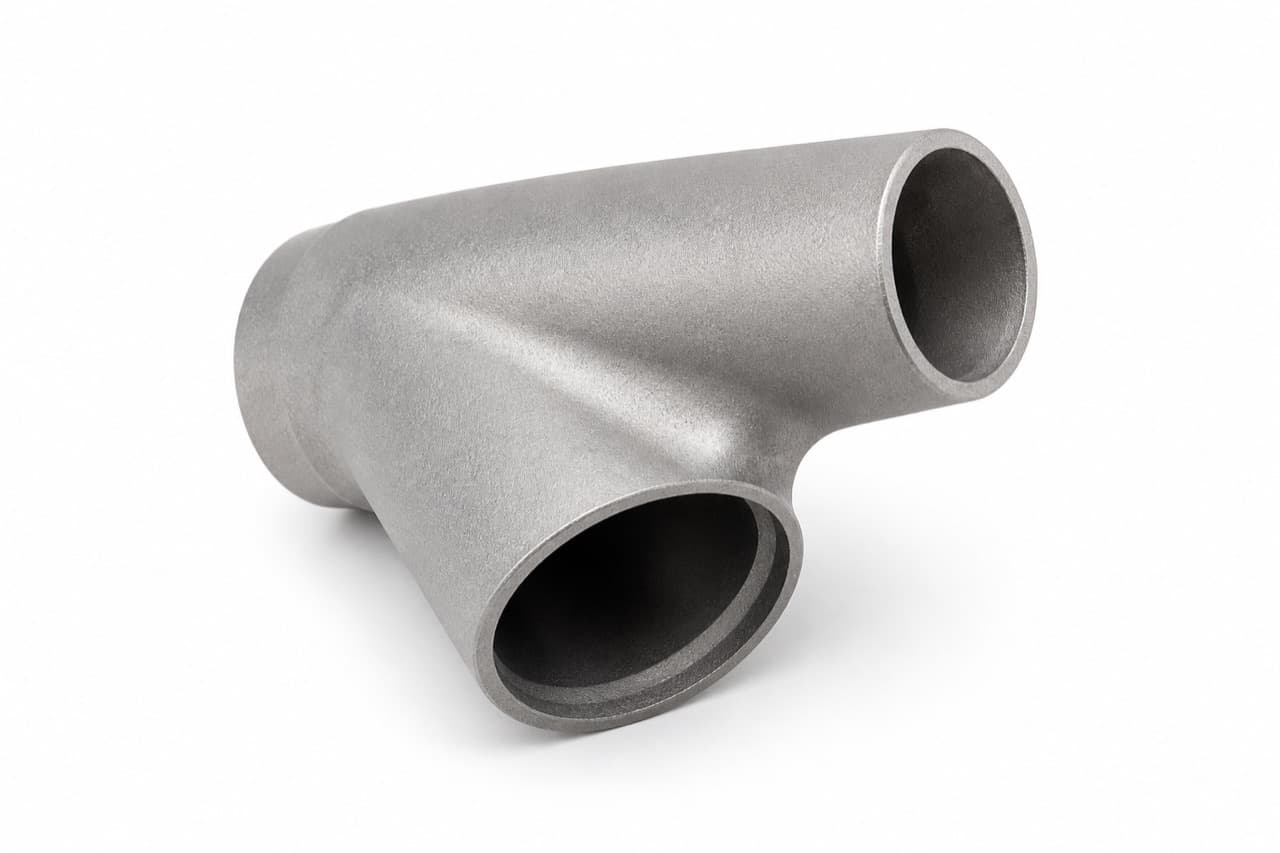
Branch connectors
Review branch geometry, wall transitions and access to internal passages.
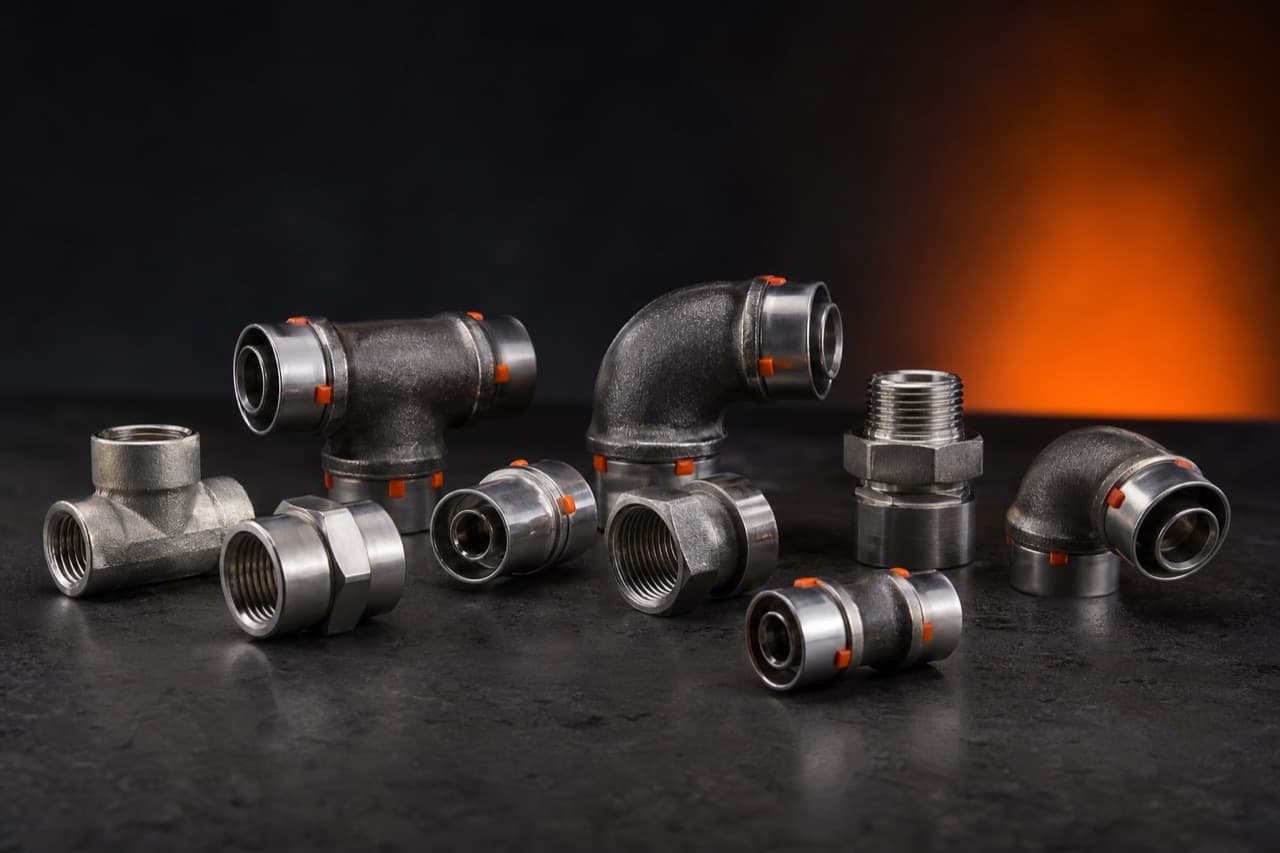
PLUMBING OEM
Plumbing OEMs shipping high volumes of brass fittings and connectors face rising material costs and chip scrap from machining. MIM 304 stainless delivers net-shape parts for complex plumbing geometries with stable material pricing.
Review branch geometry, wall transitions and access to internal passages.
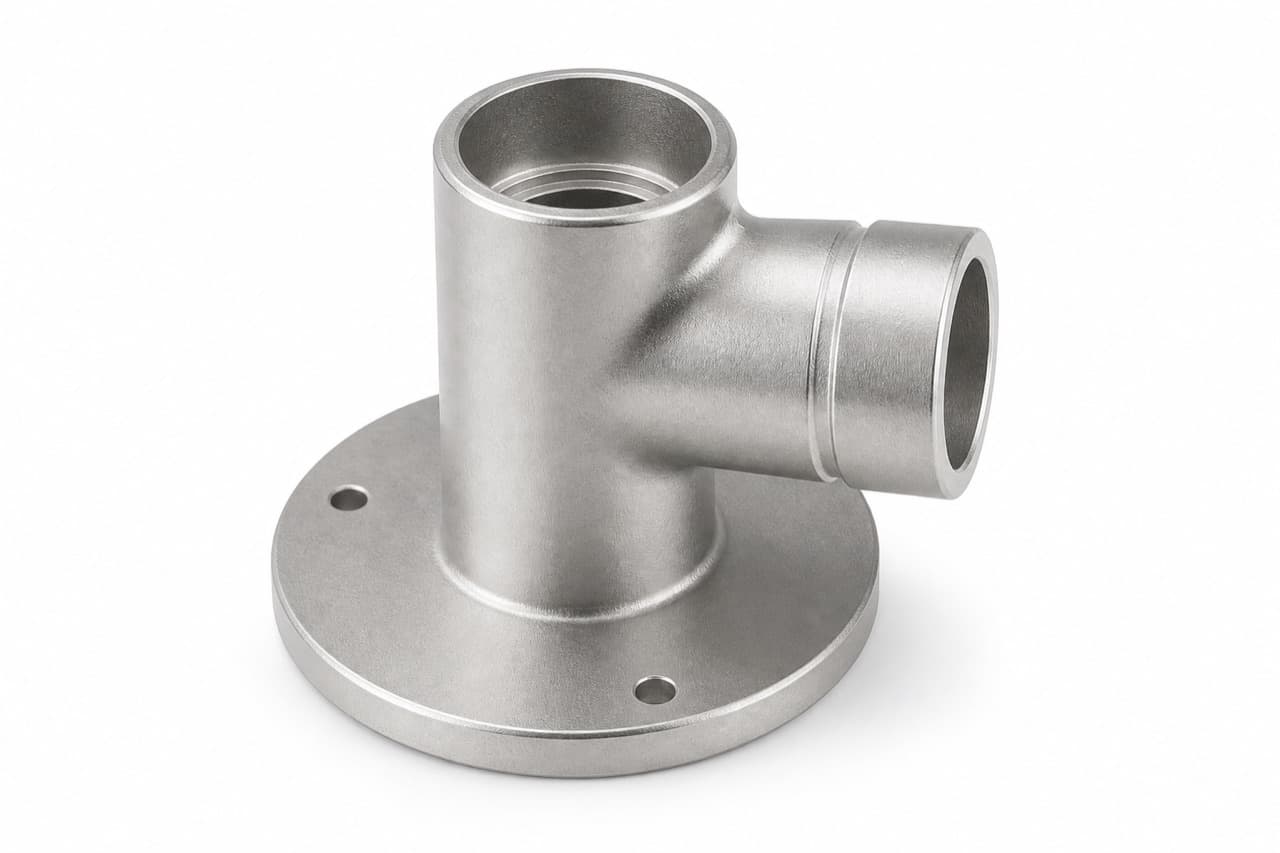
Check mounting faces, intersecting passages and mating interfaces.
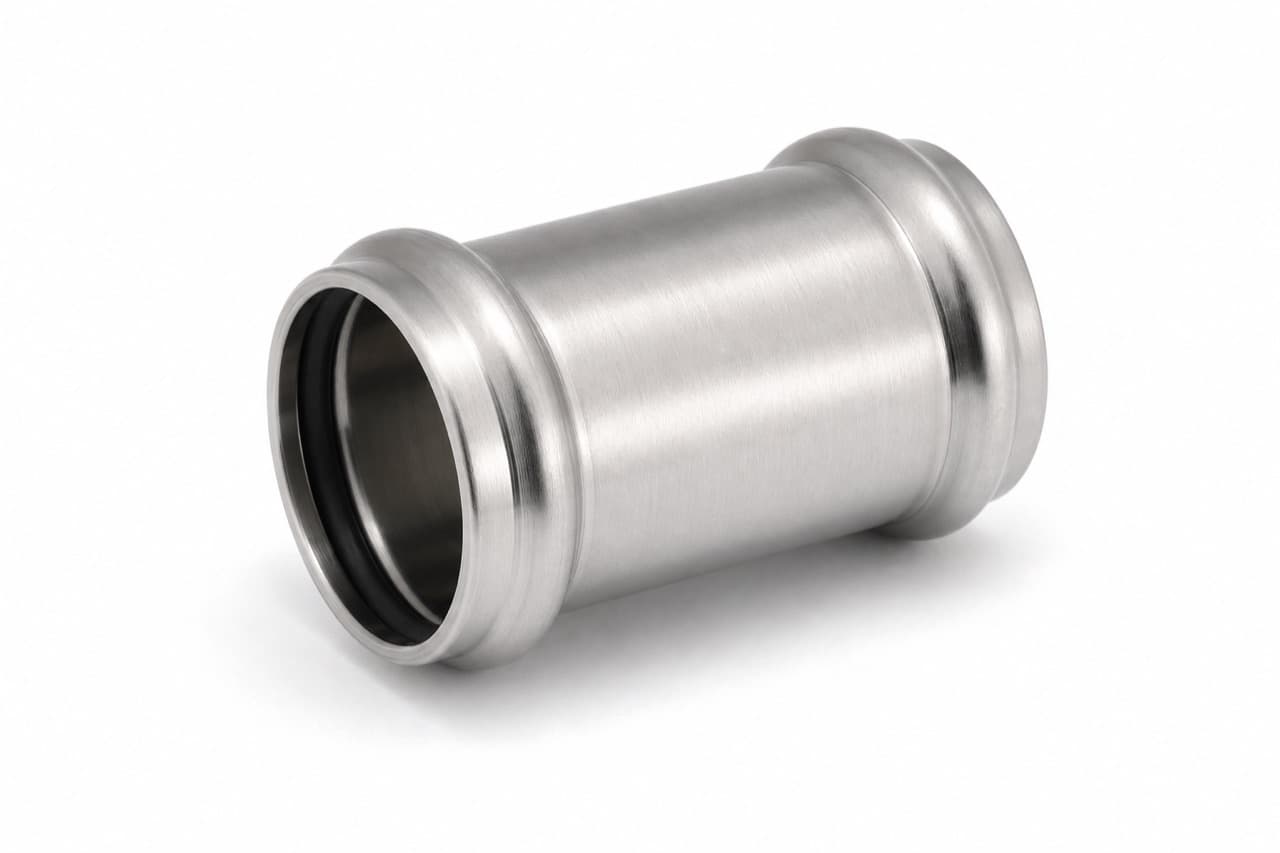
Define connection design, sealing requirements and service conditions.
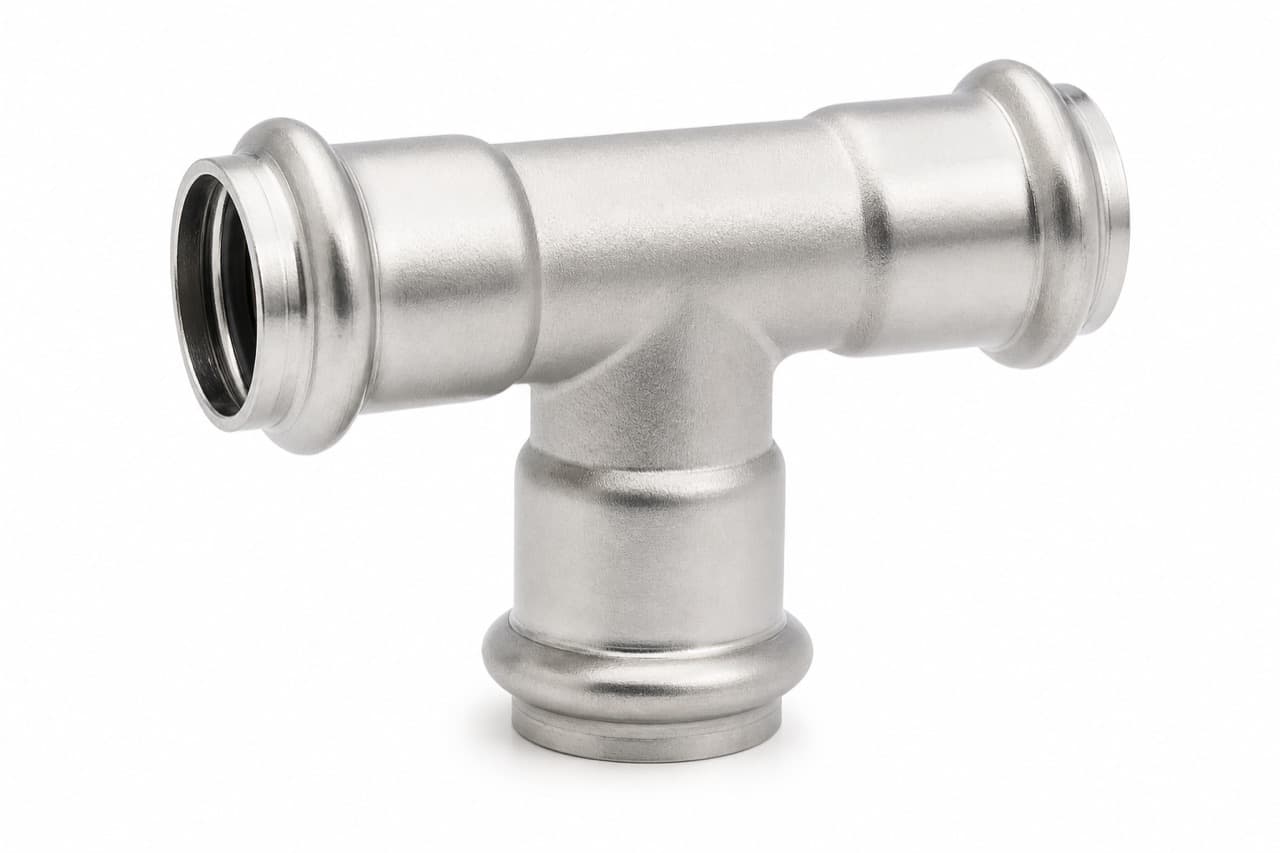
Review the individual fitting geometry and the requirements of each connection.
MIM uses feedstock efficiently versus subtractive machining from round bar.
304 with proper passivation supports NSF/ANSI 61-oriented programs when validated per your spec.
Contract manufacturing economics improve when geometry and volume are stable year over year.
New fitting variants leverage existing MIM tooling families where possible.
Forging suits simple symmetrical parts; MIM wins on complex internal geometry and annual volumes where machining steps multiply cost.
Map NSF, WRAS, or regional potable water requirements early — material certs and process FAI support OEM audits.
MOQ depends on tooling cavitation and annual volume. Share forecast data for capacity planning.
Upload drawings for brass-to-stainless conversion feasibility within one business day.
Upload Your Part