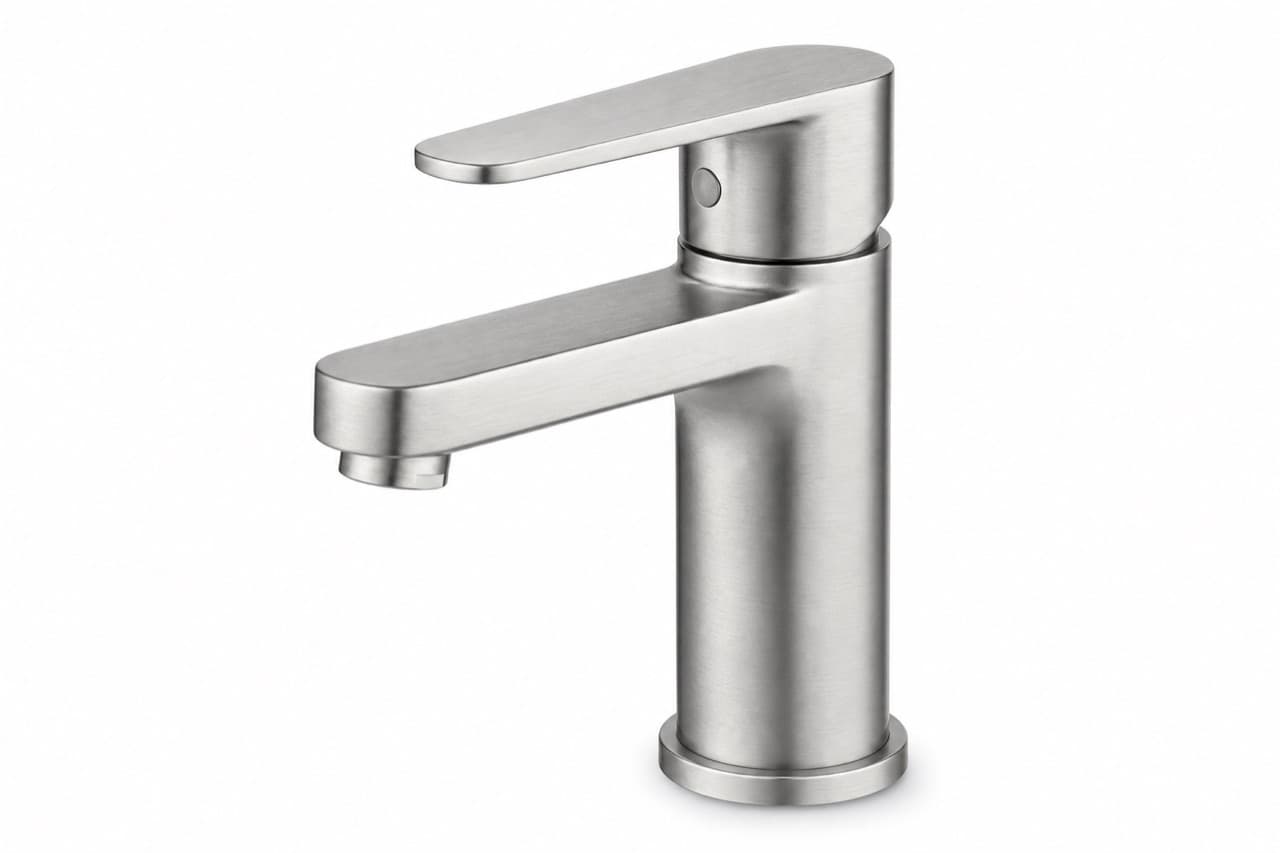
Basin mixer applications
Identify compact control, retaining or connection components within the finished mixer.
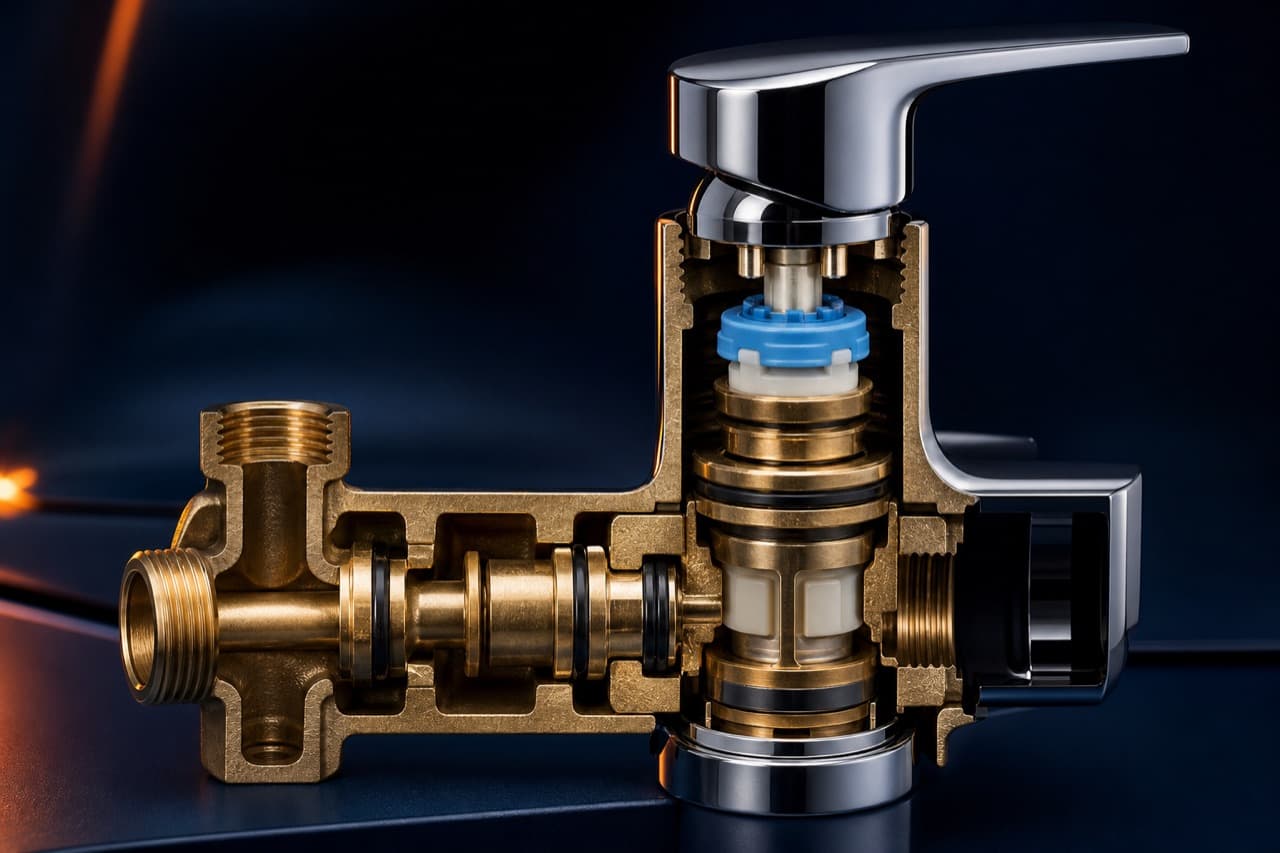
BATHROOM OEM
Bathroom OEMs need complex internal geometries, cosmetic-grade surfaces, and cost stability across long product lifecycles. Replacing brass castings and machined bodies with 304 MIM reduces material cost and eliminates zinc depletion concerns in aggressive water.
Identify compact control, retaining or connection components within the finished mixer.
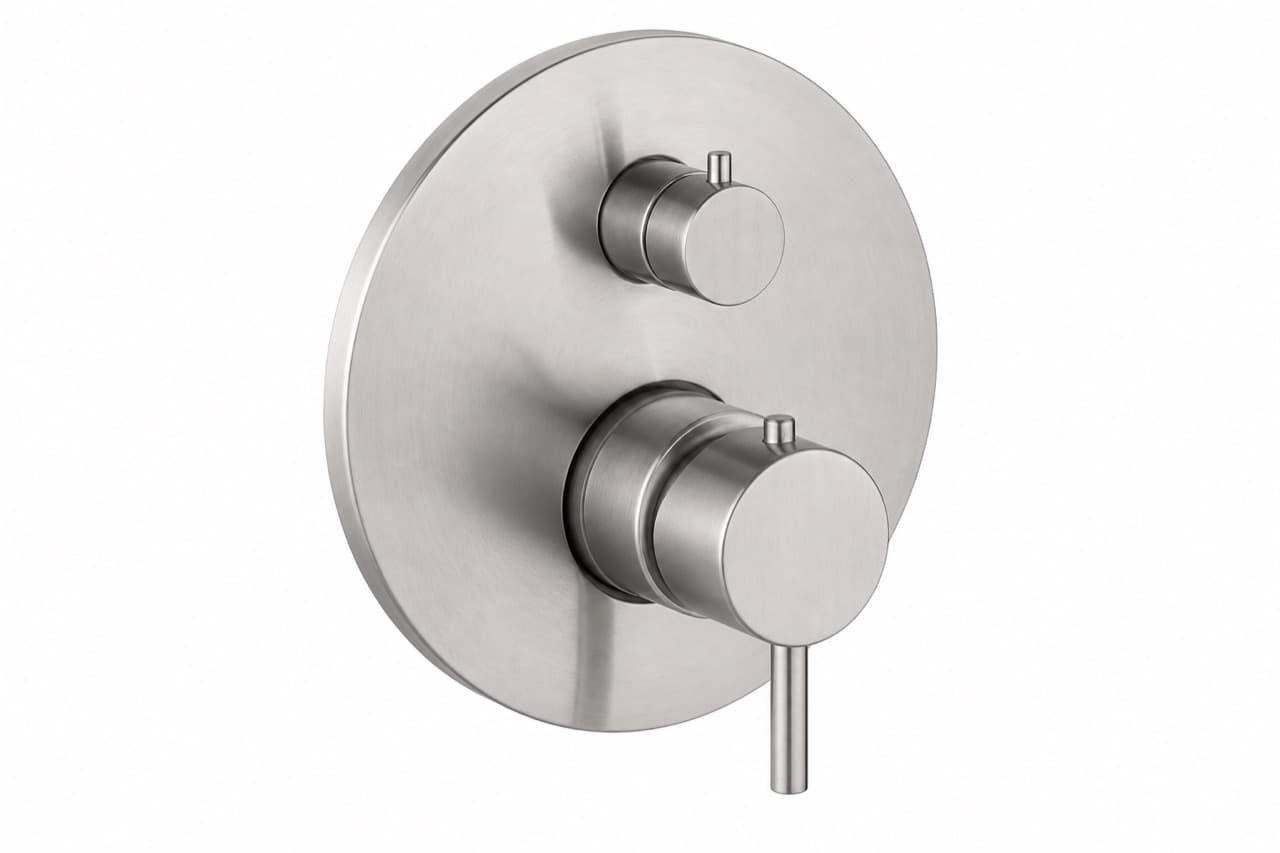
Review cartridge interfaces, locating features and the parts behind the visible controls.
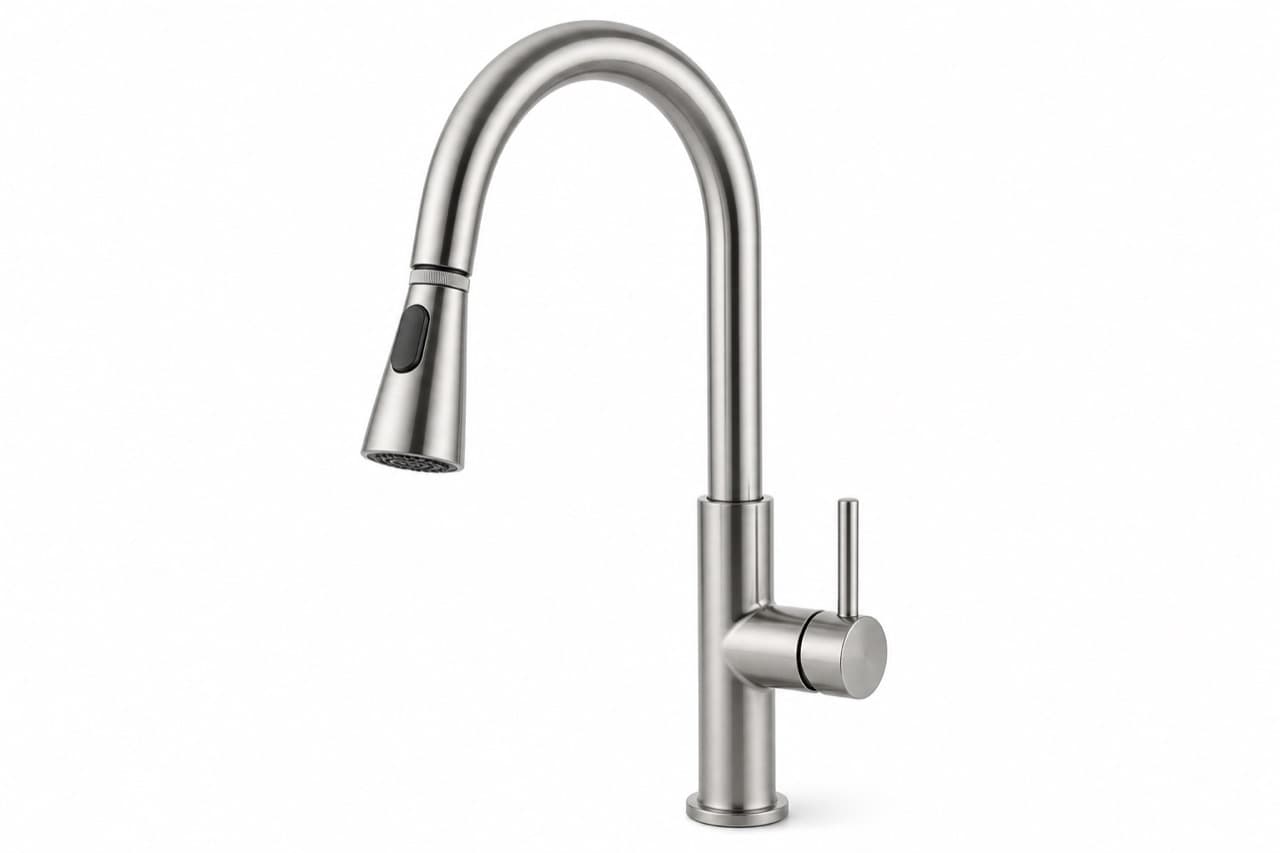
Assess individual connector and control components within the complete faucet.
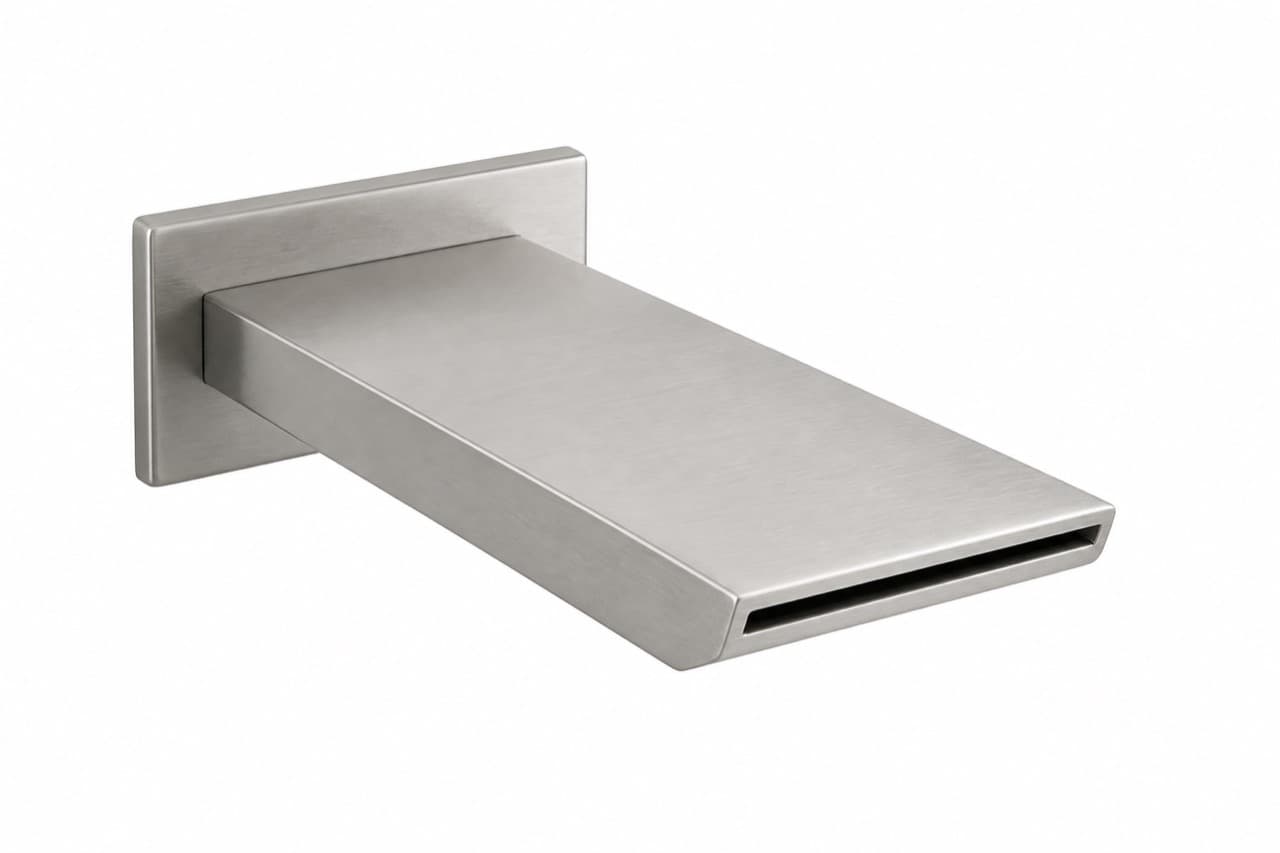
Review concealed mounting and connection hardware separately from the visible spout.
304 can be finished to spec without copper-zinc substrate concerns.
MIM enables internal channels impractical for conventional brass casting yields.
Sintering profiles and density checks reduce porosity risk versus some cast grades.
Confirm destination requirements, shipping terms and documentation for each export project.
External surfaces can be machined, polished, or coated per OEM finish spec. Internal MIM texture is typically not customer-facing.
TCO improves when annual volume is high, brass material is volatile, and plating or machining steps can be removed.
Pilot tooling often 3–4 weeks; first articles 6–8 weeks from design freeze depending on complexity.
Share your brass component drawing for engineering review and sampling timeline.
Upload Your PartRelated pages